Showing posts with label Italian Cookery Holidays. Show all posts

Friday, 16 August 2013

Palio di Siena ...or how can your cookery holidays in Italy end up on a magnificent race?


Minutes are just minutes, but sometimes a couple of minutes are more important than others: 19.00, Siena, 16th August. An explosive charge detonation will echo across Piazza del Campo, and the thousands of people standing by will know that what they were waiting for is about to begin.

The medieval Palio horserace.

Three laps, less than two minutes. But behind these two minutes is more than 350 years of tradition. More than a simple medieval race, it is a traditional rooted manifestation of the long standing competition and rivalry between the 17 contrade (districts in which Siena is divided) and the expression of the pride, the passion and the devotion of the fervent contradaioli (residents of the districts).


The Palio is held twice a year and lasts four days, from June 29 to July 2 and from August 13 and 16: with Flavours cooking holidays you can have the chance to visit Siena during these fervent and cheerful occasions. 

The palio event involves lots of work during the year before these two minutes, but of course the 4 days of celebrations are the fullest of formal and informal rituals, in which each contrada develops a strategy based on a mix of antagonism, horsemanship, resentment, alliances and clandestine meetings. 

In fact, in the Palio part of the game is for the contrade to prevent their historic rivals from winning and this result is celebrated as happily as an own victory. The riders are allowed to use their nerbi (whips) to distract other horses and jockeys (who ride bareback). It is not uncommon for rider-less horses to finish the race but this does not matter after all, since the winner of the palio is the horse, representing his contrada, and not the jockey. 

The winner is awarded with the palio itself, which is a hand-painted silk banner, the same prize of the tournaments during the Middle Ages. And who loses? Unlike the usual way of thinking, the loser of the race is not the contrada whose horse comes last, but the one that comes second (an interesting point of view, don’t you think?). 

In each race just 10 of the 17 contrade take part in the race, seven by right and three by draw, however all of them give their own contribution to the spirit of the palio. Above all what makes the palio so special are the manifestations that are connected to the contrade, for example the blessing of horses and jockeys the afternoon before the race.

In fact each contrada has its own government, coat of arms, emblem and colours, headquarters, patron Saint, church and festivities. In addition to historic allies and enemies, of course. The spirit of the contrade is what animates the event and gives such pathos and enthusiasm to the event. The contrade are:

AQUILA (eagle)
BRUCO (caterpillar)
CHIOCCIOLA (snail)
CIVETTA (owl)
DRAGO (dragon)
GIRAFFA (giraffe)
ISTRICE (porcupine)
LEOCORNO (unicorn)
LUPA (she-wolf)
NICCHIO (seashell)
OCA (goose)
ONDA (wave)
PANTERA (panther)
SELVA (wood)
TARTUCA (tortoise)
TORRE (tower)
VALDIMONTONE (valley of the ram)

The pageant before the race attracts visitors from all over the world and it is a marvellous historical parade of rich and bright medieval costumes dating back to 15th century. Musicians, flag-bearers and historical political figures, representatives of the contrade (the ones who run the race come first, with pages bearing festoons of laurel leaves) and at the end comes the carroccio, a chariot which carries the four public representatives of yore with the most sought after award: the palio. When the magnificent parade has slowly gone around the square, the colourful performance of the flag wavers accompanies the spectators in the final minutes before the horses appear, this increases the crowds sense of expectation and anxiety. And then, here we are, these famous two minutes arrive, the crowd shouting, the city seems to shake.

Who is going to win?Maybe it will be the successful Oca to add this years palio to the 63 it already owns?Or maybe the unlucky Lupa, the current nonna (‘granny’, the nickname given to the contrada that has not won the palio for the longest amount of time), will be the one to show the silk banner in its museum? 

At the end of the day, even when parts of Siena are competing against each other, this marvellous city will always be the winner.


Monday, 12 August 2013

Italian food ingredients


What are the essential food ingredients for Italian cuisine? Spending a week of cooking holidays in Italy was enough to get some top cooking tips from Flavours Holidays' Italian chefs! Here is what we learned:

OLIVE OIL – Essential. Olive oil is perfect for everything: extra virgin olive oil is mostly used for raw, or true to dress salads and to garnish finished dishes. Generally extra virgin olive oil is considered too good to cook with, for this purpose is better a good olive oil. Although Italians know that it is possible to cook with butter too you will hardly find one who prefers butter to olive oil: it is healthier and it tastes good without covering the original taste of the ingredients but accentuating it.


BASIL – It is the base of the pesto sauce, it is perfect in salads and in summer dishes like caprese (mozzarella, tomatoes, basil, extra virgin olive oil and a pinch of salt). Fresh and perfumed, basil can adorn the most basic tomato sauce giving it that touch of summer that makes you feel lighter even on winter. 

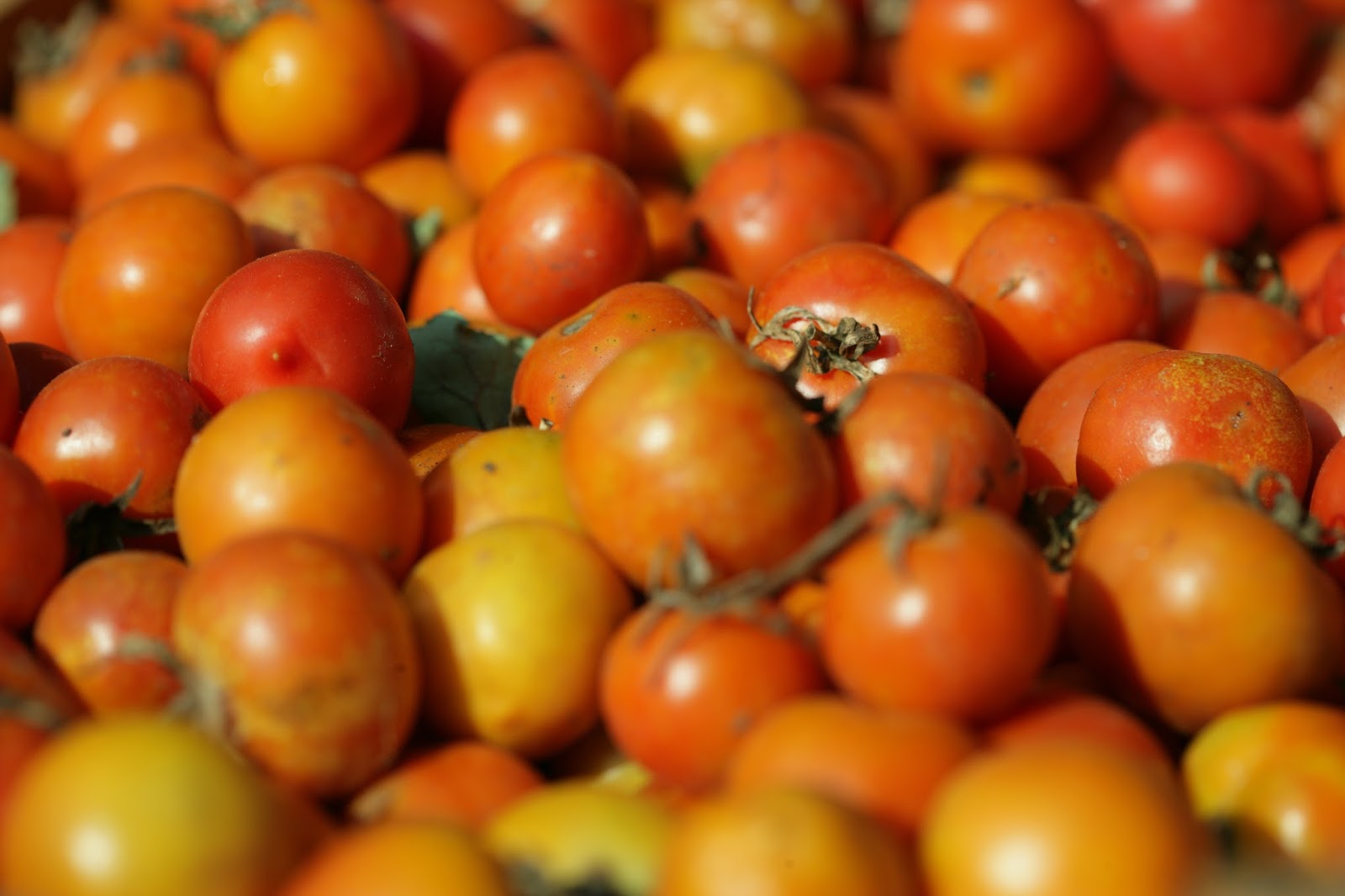
TOMATOES – Healthy and tasty, tomatoes are delicious raw, fundamental in sauces and dressings, fantastic when fried, stuffed, gratinéed or baked. It is one of the ingredients that matches with everything, from veggies to meat, from fish to herbs. There are lots of different types (among them pachino, sanmarzano, sardo…) and each type has a best way to be used: some are better for salads, other for rice-stuffed tomatoes, others for sauces… it a very precious ingredient for Italian cuisine. In fact the literal translation of the Italian word for tomato, “pomodoro”, is “golden apple”! 


PEPPER – Italian cuisine widely uses black, green and white pepper. Black pepper is usually ground last minute. It is possible to buy ground pepper but Italians prefer to grind it just before eating because the flavour is more intense. Black pepper is used on cured meats but overall for seasoning and dressing veggies and meats. Green pepper is used in corns, overall for some meat recipes like filetto al pepe verde (fillet with green pepper). White pepper is less spicy, it is used mainly for meats but also with light sauces.


CHILLI – In the south of Italy chillies grow happily in the sun: there chillies are the most popular spice in the local cuisines, but they are very common in the whole country too. To prepare many famous pasta sauces, like aglio olio e pepperoncino or the spicy arrabbiata sauce, chillies are essentials.


PARSLEY –Widely used to garnish warm and cold dishes alike and to season sauces and fillings, parsley really matches with everything in the Italian cuisine. An example? In Italian if you say that somebody/something “é come il prezzemolo” ( is like parsley) it means that a person/an object is basically everywhere!
 

VINEGAR – Vinegars are generally used to pickle veggies, in marinades and vinaigrettes. Some also use it to brush the food that is going to be grilled. Balsamic vinegar is delicious overall to drizzle on top of meats and cheese, while wine vinegar is often used to cook, accompanied by herbs.


OREGANO – Oregano is used to season warm and cold dishes alike, for example salads, tomatoes, veggies, meats, fish and sauces. It is a fundamental ingredient of the pizza napoletana marinara. Overall in the Naples area and in Sicily oregano has a big role in the local cuisine. Among the most famous dishes with oregano are carne alla pizzaiola and penne with gorgonzola and courgettes.


CAPERS – Capers are the flower buds of the caper bush. Their vinegary taste, due to the fact that the buds are cured in vinegar, and their delicate aroma give a special touch to every dish there are in. Cappers are mostly used for antipasti, for tomato sauces, for various types of fish and for the tartar sauce.

So if you want to find out more about Italian cuisine and learn to cook local Italian dishes, why not consider a cooking holiday in Italy? 

Thursday, 8 August 2013

Culinary travel: the how and why from an Australian food writer and chef


As a chef, cooking teacher and food and travel writer, I believe one of the most important things in life is to get out and experience different cuisines, ingredients and cultures. Travel, to quote the old adage, broadens your horizons – but not only in the traditional sense. Culinary travel lets you become a cultural anthropologist of sorts. People you meet along the way share ingredients, food, meals, and the community or family history tied to those things. Trying sheep pancreas in Argentina, liver soup in China or Umbrian wild boar sausages in Italy changes you more than you would think.
 

As a home cook and a professional chef, one of the most exciting things to do when first landing in a foreign country is to get to a local farmers market. I’ve just returned from New Zealand, and as soon as stepping off the plane I was in a fruit and vegetable store. I loaded my basket with bright purple and yellow kumara (a type of sweet potato), pale yellow local limes and small and gnarly orange ‘yams’, known as oca in the Andes where they were originally cultivated. In Italy, it is so easy to find fresh produce or homemade goods, sold by vendors in open-air markets or in little corner stores (alimentari). 

Don’t just eat out at restaurants, cook for yourself or with locals, try all the fresh produce you can and make hearty, homecooked meals. Italy is so conducive to an immersive culinary holiday – try a freshly made warm zeppola (filled donut); mozzarella made seconds before right in front of your eyes; or make a panino with handmade ciabatta, fill with freshly sliced prosciutto.

From a foodie and journalistic point of view, deciding to travel to a place is easy. Does it have a rich culinary heritage? Are there dishes and ingredients to try that are rare or not found elsewhere? Are there restaurants, chefs or experiences that I am keen to try? There aren’t many places in the world that don’t fit into these criteria. So from a culinary viewpoint, the world is our literal oyster.  Speaking of oysters, have you been to Wineglass Bay in Australia? You can wade out to a table in the water, drink wine, and pick your meal from the estuary below your feet.


Working this past year as head pastry chef at a restaurant run and staffed by a large group of Italians has instilled within me a passion to travel to Italy. Every night was a celebration of food and wine. We were fed from pots of ragu, bubbling on the stove for days, handed forkfuls of freshly made tagliatelle with just a drizzle of fine olive oil as we passed by the kitchen, and could be found ripping soft chunks of slow roasted pork off the bone after service at midnight, fat dripping down to our elbows onto the kitchen bench below. 
 
The Italian passion for food, fine produce, and quality was invigorating. There seems to be so much to discover – I couldn’t help myself - it is now booked in as my next travel destination. I can’t wait to learn new dishes, try new ingredients, and eat meals made with the actual produce they were invented to highlight. 


Lani is a pastry chef and media professional based in Melbourne, Australia. She is the creator of food and travel blog Fig & Walnut (hyperlink:www.figandwalnut.com), a published food journalist, and was a production coordinator and writer on culture and culinary history documentaries for Australian television station SBS.

Friday, 26 July 2013

FICHI D’INDIA, SICILIAN PRICKLY PEARS


Sicily is one of the most popular destinations for cooking holidays in Italy. Food is a very important aspect of Sicilian life as there is a incredibly large variety of locally produced fruits with some not being very common in other regions.

Prickly pears are a typical Sicilian product. The plant was first introduced in the region after the discovery of America and it was named “fico d’India” (Indian fig) because when Christopher Columbus arrived in the new continent and saw prickly pears he thought he was in India.
In Sicily prickly pears have the best climate conditions to grow (the plant is very resistant and adapts perfectly to hot and dry environments). They grow both on cultivations and on their own, in fact Sicily is the world’s second largest producer of fichi d’India after Mexico.

Prickly pears are very healthy and eating them is a natural cure for the human body: amongst all, their depurative features help the expulsion of kidney stones and the adjuvant features are helpful for osteoporosis thanks to the high iron, phosphor and calcium content of the fruit. Prickly pear is often included in slimming diets as a nutritional supplement since it makes you feel full quickly. It is also in diets for very dynamic, busy and sporty people thanks to its rehydrating and revitalizing features.

The fruit can be yellow, red, white or orange and it is in season from August until Christmas.
Even now the tradition in Sicily during the grape harvest period is to eat prickly pears for breakfast. This tradition comes from old winery owners in the past who used to give prickly pears to their grape-pickers because they wanted to prevent them from eating grapes during the harvesting. 

During the summer, if you find yourself at a cooking holiday in Sicily, you will find fruit stands everywhere that sell fresh and peeled prickly pears, useful to fight hot temperatures and burning thirst. In Sicilian cookery prickly pears are also used to make liquors and typical Sicilian cakes, such as Buccellato, which is very common at Christmas time.

If are interested to find out more about local Sicilian cuisine and want to learn creating recipes why not consider a cooking holiday in Italy? 


Friday, 23 September 2011

OLIVE OIL HARVEST

Take a rake, a big stick and a large net - and you’re all set. Olives are still harvested traditionally, by hand, throughout much of Italy. And joining in the harvest gives you the chance to experience a real slice of rural Italian life: a raw, vivid, backbreaking – but wonderfully invigorating, taste of Italy.

The autumn harvest has followed the same pattern A hands-on experience with the Olive Harvestfor centuries. Workers, friends and family all come together to gather in the crop from the small farms. The olive groves, regimented terraced slopes of shimmering silvery leaved trees, rustling and rippling in the breeze, suddenly swarm with activity. The gnarled trees, their trunks knobbly and scared are old and curmudgeonly, but their branches are laden with young, ripening green fruit.
Timing is crucial – you want to harvest the olives when they are on the brink of turning from green to black to get the best quality oil. Then, once picked, the olives need to be taken to the mill or Frantoio and pressed quickly – usually within 36-48 hours before they start to deteriorate and mould develops on the fruit. The olives are generally harvested in Italy from October to December depending on location: in the cooler north the crop ripens later.

Machinery has been developed to harvest the olives, contraptions which shake the trees so that the fruit falls to the ground where it’s collected in nets, but this is only possible on flat, even land. Olive groves tend to sprawl across rocky, inhospitable hillsides where harvesting manually is the only option. Picking by hand takes time, of course, but the advantage is there’s less bruising to the fruit. Stripping the olives from the branches with a special hand rake can be slightly quicker catching the olives, again, in nets on the ground.

It’s tough, hot work even though the sun is weak and watery, but you get a real feel for they way life has been here for centuries. And a sense of camaraderie as you work together, breaking for a rustic picnic lunch, sitting on the hard earth in the olive grove with your fellow-pickers.
Flavours of Italy offers the opportunity to join in the olive harvest on its trips this autumn with availability on the 22-25 October, 26-29 October, 4-7 November, 11-14 November, and the 18-21 November.

Saturday, 13 December 2008

Flavours of Italy Christmas party!

Flavours has had a fantastic 2008 and what better way to celebrate than a party in our new shop in Edinburgh’s Stockbridge. We invited our local clients and some Flavours staff along to catch up over some Rocco Venezia Prosecco and the essential Pecorino and Parmesan cheese – a main ingredient of our Tuscan cooking course and a firm favourite of our famous chef Simone.

The evening was a great opportunity for us all to swop recipes and talk food and drink. The night before Andrew, who took part in our Puglia cooking holiday hosted a dinner party for Lorne and Livia, our host in Puglia. We spoke about his menu for the evening which consisted of a glorious fusion of Scottish and Italian flavours where he skilfully juxtaposed locally sourced game and cheeses with fresh tastes of Tuscany and northern regions of Italy.

The evening was thoroughly enjoyed by all and offered a rare chance for the Flavours team to get together and meet some of our guests. With only one week to go until a much needed Christmas break, bookings are coming in thick and fast, there’s plenty of last minute Flavours of Italy Gift boxes being wrapped up and sent all over the country – I’d go as far to say that our little shop is beginning to look like a gourmet Santa’s workshop!