

Showing posts with label Italian cooking holidays. Show all posts
Showing posts with label Italian cooking holidays. Show all posts
Tuesday, 3 November 2015
Guide to Italy’s regional food
If you aren't quite sure what the difference is between Sicilian or Tuscan, Venetian or Apulian food is or let alone what to expect on your Italian cooking holiday in the Amalfi coast, then let us help you with our interactive food guide to authentic Italian food. To find out more click here: https://www.flavoursholidays.co.uk/blog/beginners-guide-to-authentic-italian-food/


Tuesday, 11 February 2014
A cooking holiday was the best healing present to myself ever!
Travel has the ability to change the way we see the world and ourselves. This is why we love to inspire and motivate people to discover new horizons and pursue their travel dreams through our holidays. Today we're excited to share an interview from our guest Freya about how a cooking holiday in Tuscany was the best healing present for her.

When did you go on a Flavours Holiday and where was it?
I went to Tuscany -villa Felciai- in June 2013 for my
birthday. I arrived on 8th June
my birthday – what a treat to me! I was made so welcome and with a
birthday candle on a cake!

Was it a cooking, painting or Pilates holiday and why did you
choose it?
It was a cookery holiday. I always wanted to go to ITALY to learn ..my brother
had died tragically in Sept 2012 – and he had always said – go do
it... so I did for ME and in memory of him....– the best healing present to
myself ever.

What is your best memory?
How can you choose one best memory – it was ALL so memorable –
Sunshine the chef, Simonetta the wonderful open hearted and
warm hostess, and the spectacular location at Villa Felciai. That was
such a spiritual sanctuary. NOTHING was ever too much trouble
for them. I carry it all in my heart.

What did you enjoyed the most?
I actually enjoyed cooking! At
home I do because I have to! I came to realise that it was creative and
FUN and not a chore! I came back to UK cooking from my heart and not my head! –
and my friends love eating with me now.
If you are inspired by Frey's cooking holiday experience, why not pursue your own travel dreams in Tuscany with Flavours cooking holidays?
If you are inspired by Frey's cooking holiday experience, why not pursue your own travel dreams in Tuscany with Flavours cooking holidays?
Friday, 16 August 2013
Palio di Siena ...or how can your cookery holidays in Italy end up on a magnificent race?
Minutes are just minutes, but
sometimes a couple of minutes are more important than others: 19.00, Siena,
16th August. An explosive charge detonation
will echo across Piazza del Campo, and the thousands of people standing by will
know that what they were waiting for is about to begin.
The medieval Palio horserace.
Three laps, less than two
minutes. But behind these two minutes is more than 350 years of tradition. More
than a simple medieval race, it is a traditional rooted manifestation of the long
standing competition and rivalry between the 17 contrade (districts in which Siena
is divided) and the expression of the pride, the passion and the devotion of
the fervent contradaioli (residents of the districts).


The Palio is held twice
a year and lasts four days, from June 29 to July 2 and from August 13 and 16:
with Flavours cooking holidays you can have the chance to visit Siena
during these fervent and cheerful occasions.
The palio event involves lots of
work during the year before these two minutes, but of course the 4 days of
celebrations are the fullest of formal and informal rituals, in which each
contrada develops a strategy based on a mix of antagonism, horsemanship,
resentment, alliances and clandestine meetings.
In fact, in the Palio part of
the game is for the contrade to prevent their historic rivals from winning and
this result is celebrated as happily as an own victory. The riders are allowed
to use their nerbi (whips) to distract other horses and jockeys (who ride
bareback). It is not uncommon for rider-less horses to finish the race but this
does not matter after all, since the winner of the palio is the horse, representing
his contrada, and not the jockey.
The winner is awarded with the palio itself,
which is a hand-painted silk banner, the same prize of the tournaments during
the Middle Ages. And who loses? Unlike the usual way of thinking, the loser of
the race is not the contrada whose horse comes last, but the one that comes
second (an interesting point of view, don’t you think?).
In each race just 10
of the 17 contrade take part in the race, seven by right and three by draw,
however all of them give their own contribution to the spirit of the palio.
Above all what makes the palio so special are the manifestations that are
connected to the contrade, for example the blessing of horses and jockeys the
afternoon before the race.


In fact each contrada has its own government, coat
of arms, emblem and colours, headquarters, patron Saint, church and
festivities. In addition to historic allies and enemies, of course. The spirit
of the contrade is what animates the event and gives such pathos and enthusiasm
to the event. The contrade are:
AQUILA (eagle)
BRUCO (caterpillar)
CHIOCCIOLA (snail)
CIVETTA (owl)
DRAGO (dragon)
GIRAFFA (giraffe)
ISTRICE (porcupine)
LEOCORNO (unicorn)
LUPA (she-wolf)
NICCHIO (seashell)
OCA (goose)
ONDA (wave)
PANTERA (panther)
SELVA (wood)
TARTUCA (tortoise)
TORRE (tower)
VALDIMONTONE (valley of the ram)
The pageant before the race attracts visitors from all over the world
and it is a marvellous historical parade of rich and bright medieval costumes
dating back to 15th century. Musicians, flag-bearers and historical
political figures, representatives of the contrade (the ones who run the race
come first, with pages bearing festoons of laurel leaves) and at the end comes
the carroccio, a chariot which carries the four public representatives of yore
with the most sought after award: the palio. When the magnificent parade has
slowly gone around the square, the colourful performance of the flag wavers
accompanies the spectators in the final minutes before the horses appear, this
increases the crowds sense of expectation and anxiety. And then, here we are,
these famous two minutes arrive, the crowd shouting, the city seems to shake.
Who is going to win?Maybe it will be the successful Oca to add this years palio to the 63
it already owns?Or maybe the unlucky Lupa, the current nonna (‘granny’, the nickname
given to the contrada that has not won the palio for the longest amount of time),
will be the one to show the silk banner in its museum?
At the end of the day, even when parts of Siena are competing against each other, this marvellous city will always be the winner.
At the end of the day, even when parts of Siena are competing against each other, this marvellous city will always be the winner.
Monday, 12 August 2013
Italian food ingredients
What are the essential food ingredients for Italian cuisine? Spending a week of cooking holidays in Italy was enough to get some top cooking tips from Flavours Holidays' Italian chefs! Here is what we learned:
OLIVE OIL – Essential. Olive oil is perfect for everything: extra virgin olive oil
is mostly used for raw, or true to dress salads and to garnish finished dishes.
Generally extra virgin olive oil is considered too good to cook with, for this
purpose is better a good olive oil. Although Italians know that it is possible
to cook with butter too you will hardly find one who prefers butter to olive
oil: it is healthier and it tastes good without covering the original taste of
the ingredients but accentuating it.

BASIL – It is the base of the pesto sauce, it is perfect in salads and in
summer dishes like caprese (mozzarella, tomatoes, basil, extra virgin olive oil
and a pinch of salt). Fresh and perfumed, basil can adorn the most basic tomato
sauce giving it that touch of summer that makes you feel lighter even on
winter.
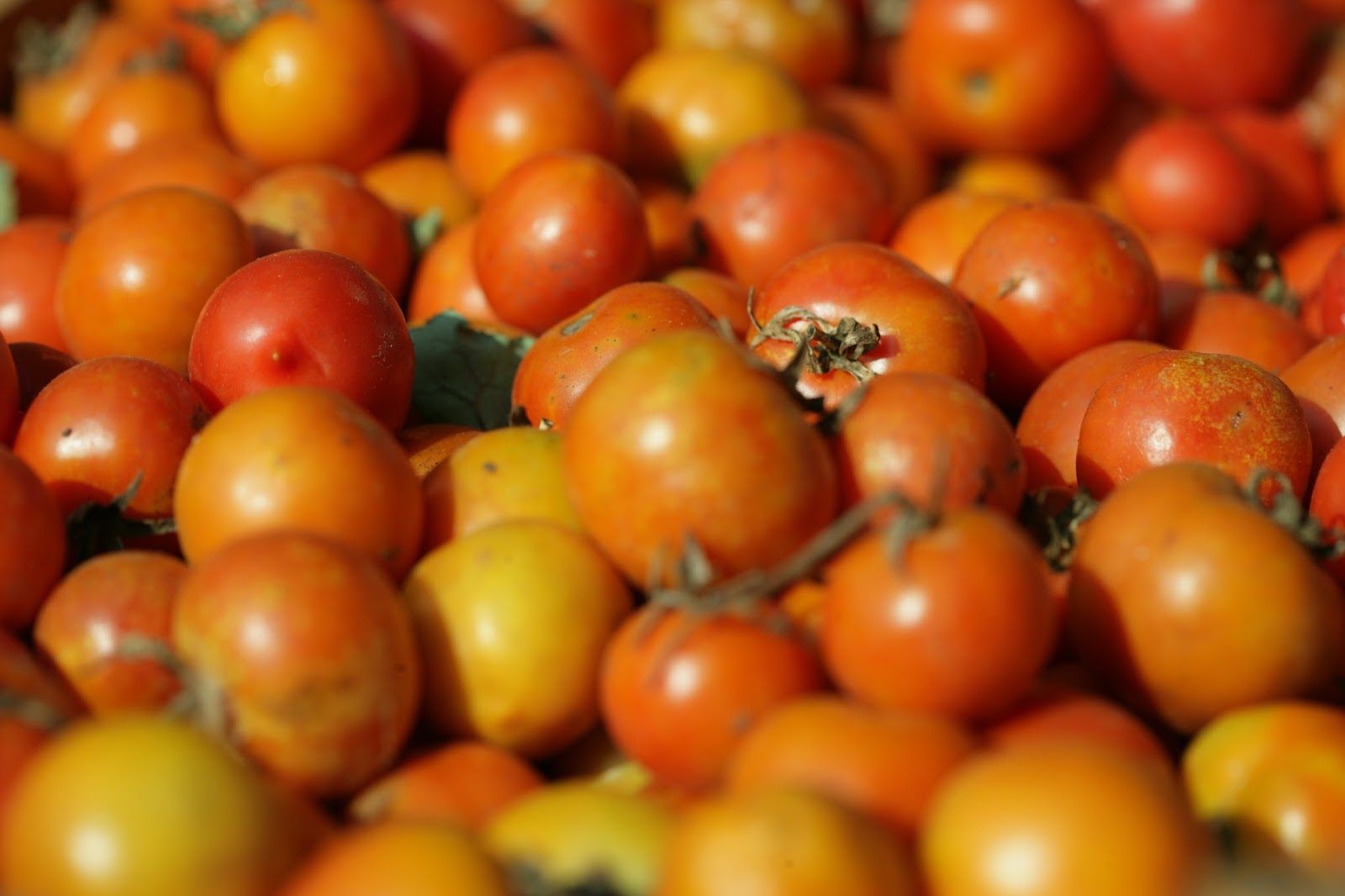
TOMATOES – Healthy and tasty, tomatoes are delicious raw, fundamental in sauces
and dressings, fantastic when fried, stuffed, gratinéed or
baked. It is one of the ingredients that matches with everything, from veggies
to meat, from fish to herbs. There are lots of different types (among them
pachino, sanmarzano, sardo…) and each type has a best way to be used: some are
better for salads, other for rice-stuffed tomatoes, others for sauces… it a
very precious ingredient for Italian cuisine. In fact the literal translation
of the Italian word for tomato, “pomodoro”, is “golden apple”!
PEPPER – Italian cuisine widely uses black, green and white pepper. Black
pepper is usually ground last minute. It is possible to buy ground pepper but
Italians prefer to grind it just before eating because the flavour is more
intense. Black pepper is used on cured meats but overall for seasoning and
dressing veggies and meats. Green pepper is used in corns, overall for some
meat recipes like filetto al pepe verde (fillet with green pepper). White
pepper is less spicy, it is used mainly for meats but also with light sauces.

CHILLI – In the south of Italy chillies grow happily in the sun: there chillies
are the most popular spice in the local cuisines, but they are very common in
the whole country too. To prepare many famous pasta sauces, like aglio olio e
pepperoncino or the spicy arrabbiata sauce, chillies are essentials.
PARSLEY –Widely used to garnish warm and cold dishes alike and to season sauces
and fillings, parsley really matches with everything in the Italian cuisine. An
example? In Italian if you say that somebody/something “é
come il prezzemolo” ( is like parsley) it means that a person/an object is
basically everywhere!
VINEGAR – Vinegars are generally used to pickle veggies, in marinades and
vinaigrettes. Some also use it to brush the food that is going to be grilled.
Balsamic vinegar is delicious overall to drizzle on top of meats and cheese,
while wine vinegar is often used to cook, accompanied by herbs.

OREGANO – Oregano is used to season warm and cold
dishes alike, for example salads, tomatoes, veggies, meats, fish and sauces. It
is a fundamental ingredient of the pizza napoletana marinara. Overall in the
Naples area and in Sicily oregano has a big role in the local cuisine. Among
the most famous dishes with oregano are carne alla pizzaiola and penne with
gorgonzola and courgettes.
CAPERS – Capers are the flower buds of the caper
bush. Their vinegary taste, due to the fact that the buds are cured in vinegar,
and their delicate aroma give a special touch to every dish there are in.
Cappers are mostly used for antipasti, for tomato sauces, for various types of
fish and for the tartar sauce.
So if you want to find out more about Italian cuisine and learn to cook local Italian dishes, why not consider a cooking holiday in Italy?
So if you want to find out more about Italian cuisine and learn to cook local Italian dishes, why not consider a cooking holiday in Italy?
Thursday, 8 August 2013
Culinary travel: the how and why from an Australian food writer and chef
As a chef, cooking teacher and food and travel writer, I believe one of the most important things in life is to get out and experience different cuisines, ingredients and cultures. Travel, to quote the old adage, broadens your horizons – but not only in the traditional sense. Culinary travel lets you become a cultural anthropologist of sorts. People you meet along the way share ingredients, food, meals, and the community or family history tied to those things. Trying sheep pancreas in Argentina, liver soup in China or Umbrian wild boar sausages in Italy changes you more than you would think.

As a home
cook and a professional chef, one of the most exciting things to do when first
landing in a foreign country is to get to a local farmers market. I’ve just
returned from New Zealand, and as soon as stepping off the plane I was in a
fruit and vegetable store. I loaded my basket with bright purple and yellow
kumara (a type of sweet potato), pale yellow local limes and small and gnarly
orange ‘yams’, known as oca in the Andes where they were originally cultivated.
In Italy, it is so easy to find fresh produce or homemade goods, sold by
vendors in open-air markets or in little corner stores (alimentari).
Don’t just
eat out at restaurants, cook for yourself or with locals, try all the fresh
produce you can and make hearty, homecooked meals. Italy is so conducive to an
immersive culinary holiday – try a freshly made warm zeppola (filled donut); mozzarella
made seconds before right in front of your eyes; or make a panino with handmade ciabatta, fill with freshly sliced prosciutto.

From a
foodie and journalistic point of view, deciding to travel to a place is easy.
Does it have a rich culinary heritage? Are there dishes and ingredients to try
that are rare or not found elsewhere? Are there restaurants, chefs or
experiences that I am keen to try? There aren’t many places in the world that
don’t fit into these criteria. So from a culinary viewpoint, the world is our
literal oyster. Speaking of oysters,
have you been to Wineglass Bay in Australia? You can wade out to a table in the
water, drink wine, and pick your meal from the estuary below your feet.

Working
this past year as head pastry chef at a restaurant run and staffed by a large
group of Italians has instilled within me a passion to travel to Italy. Every
night was a celebration of food and wine. We were fed from pots of ragu,
bubbling on the stove for days, handed forkfuls of freshly made tagliatelle
with just a drizzle of fine olive oil as we passed by the kitchen, and could be
found ripping soft chunks of slow roasted pork off the bone after service at
midnight, fat dripping down to our elbows onto the kitchen bench below.
The Italian
passion for food, fine produce, and quality was invigorating. There seems to be
so much to discover – I couldn’t help myself - it is now booked in as my next
travel destination. I can’t wait to learn new dishes, try new ingredients, and
eat meals made with the actual produce they were invented to highlight.
Lani is a pastry chef and media professional
based in Melbourne, Australia. She is the creator of food and travel blog Fig
& Walnut (hyperlink:www.figandwalnut.com), a published food journalist, and
was a production coordinator and writer on culture and culinary history
documentaries for Australian television station SBS.
Facebook: https://www.facebook.com/figandwalnut
Twitter: https://twitter.com/fig_and_walnut
Pinterest: http://pinterest.com/figandwalnut/
Wednesday, 14 November 2012
Memories of A Tuscan Cooking Holiday Are Stirred By The Savage Garden
What do you do when you
are suffering withdrawal symptoms after returning from a Flavours painting class? You find a book that will transport you back to your
spiritual home!

I was hooked as I looked
at the back jacket: ‘Behind a Tuscan villa
lies a Renaissance garden of enchanting beauty. Within the grottoes,
pagan statues and all the classic inscriptions there is a secret
message.’ Yes, OK memories of Dan Brown,
but we are talking Tuscany here, so what’s not to like?
Who can resist a thriller
with the strapline: ‘Uncover stories of
love, revenge and murder, separated by 400 years?’
Go on, you know you want to!
A Richard and Judy
recommendation, this book has garnered some spectacular reviews from
all kinds of readers and I was certainly gripped by that palpable
sense of loss and yearning which surfaced.
I also developed empathy with the main character, Adam, who learns so much more about himself as he dons the role of amateur sleuth. The delicate balance of exploration and slight depression gives this narrative a subtle edge.

In the Tuscan hills Adam
must study the Renaissance garden constructed by an eminent banker
from Florence, who builds the garden as a paean to his wife who died
aged 25 during 1548.
With accurate and
appropriate research the reader is given specific details of gardens
of renown: Boboli and Bomarzo as two examples. There is a wealth of
Renaissance art works and examples of 16th
century garden design included which lend this novel a scholarly air.

Our hero realises the
discordant elements within this paradise: what, for example is the
provocative statue of the young wife really doing? What indeed! Will
writers from the past be able to solve the mystery of what really is
being communicated in this sad place?

As a well-worked treatise
on 16th century
garden design combined with classical scholarship this picaresque
novel is ‘full of mysteries and menace’ and just as captivating
as the Times stated in a review.
If you need a reminder of
your Flavours Tuscan cooking holiday during the long autumn evenings,
this crime thriller may well do the trick as you count down the days
to your next gastronomic sojourn. I find a glass of Chianti and a
quick flick through the Flavours 2013 brochure works wonders too!

Friday, 26 October 2012
Matthew Fort explores the flavours of Italy on a Vespa
An encouragement to book your own 2013 cooking adventure in Italy
Food writers contribute so much to our understanding about what passes our lips. Sometimes we underestimate their power to persuade, inform or entertain.
 Occasionally they simply enthuse about some delicacy or regional gastronomy in a highly infectious manner and suddenly the supermarket shelves are cleared of a specific ingredient (I remember Delia and Cranberries one Christmas!)
Italy has had its fair share of distinguished writers who have waxed lyrical about its varied and inspirational food culture and anyone who has experienced making lunch in the Flavours holidays kitchen will know how seductive Italian food and the backdrop against which it is lovingly prepared can be.
 Matthew Fort is one such person who has done much to educate us about everything from Lancashire delicacies, in his book ‘Rhubarb and Black Pudding’ back in 1998 to Italian regional cooking in’ Eating Up Italy: Voyages On A Vespa’ which appeared back in 2004.
He is a distinguished food writer and critic and up until January 2012 was Food and Drink Editor at The Guardian, having begun as a food writer for the newspaper in 1989. Matthew commands serious attention whenever he writes and has won the now defunct Glenfiddich Food Writer of the Year Award in 1992 and Restaurant Writer the following year. So when he decides to turn his attention to Italy one immediately suspects his book will give you far more than recipes alone.
 ‘Eating Up Italy: Voyages On A Vespa’ has been in print since 2004. As an aside, a sequel to this popular book appeared in 2008, entitled: ‘Sweet Honey, Bitter Lemons’ which flavours will review separately.
Anyone who has developed or is developing a passion for Italian food would do well to beg, borrow or steal a copy of ‘Vespa’. Nigel Slater would agree too as he waxed lyrical in his review: ‘Lemon blossom and freshly baked bread waft up from every page. The most intensely greedy, fragrant and sensuously written travelogue I have ever read. A glorious, glorious feast.’ So, now you know.
Fort starts his journey in the south at Melito di Poro Salvo and gradually makes his way through this extraordinary country. Matthew offers significant insights as he passes through one region and then another. It is stunning to see how the differences in regional proclivities are kept alive and celebrated without losing their no nonsense, pragmatism; you want to live well? Then eat well, it’s that simple.
 For Italy to be in the hands of someone who imbues all aspects of gastronomy, from its impact on culture, humour, outlook, politics and self-belief, we know it is in tender and knowledgeable hands. Fort ensures that nothing is missed; he ferrets out experts and characters on his tremendous journey that ends up in Turin.
The reader begins to understand the Italian creative spirit which has always dealt capably with ingredients that arrive in a glut while eking out rations in a time of hardship; whether that was as a consequence of politics and war, or simply a bad season’s harvest.
How a country’s soil dictates so much about its philosophy and what is produced doesn’t pass Matthew by. He celebrates the thrift evident in the mountains where scarcity is compensated by fiery blots of taste in the form of chillies and juxtaposes luxuriance, just a few kilometres away, where inhabitants are enjoying lush cheeses and fragrant fleshy herbs.
 Readers learn to anticipate some of his culinary adventures, whereas others are a surprise. You may be familiar with pizza but do you really know its deep connection between cuisine and history? Thought you didn’t, neither did I!
As his trusty Vespa (groaning under the increasing weight of the author) rolls into Emilia- Romagna most of the clichés of Italian cooking can be found but that is not a reason to ignore this book. Matthew searches out producers and ingredients and makes you feel as if he really has offered up new observations about familiar names. This is a revelation and Fort revels in describing and accurately transcribing recipes, specifics of gastronomic occasions, the people who enjoy eating, shopping and cooking and the producers who take their work so seriously. Those who ventured on one of Flavours cooking courses in Puglia, Tuscany, Umbria or Sicily will know just how important the trips to visit local producers were in assisting with a truer understanding of just what goes into Italian food.
If you have missed out so far, then this book is essential homework for a future trip. It’s a wonderful winter companion as the nights draw in and we wrap ourselves in our favourite armchair and plan next year’s culinary adventures. Be warned though, as these will be punctuated by quick trips to the kitchen to rustle up Ravioli, Zamponi and all points between. Packed with facts and observations you will be hard pressed to find a more beguiling travelogue documenting Italian food.
Food writers contribute so much to our understanding about what passes our lips. Sometimes we underestimate their power to persuade, inform or entertain.

Italy has had its fair share of distinguished writers who have waxed lyrical about its varied and inspirational food culture and anyone who has experienced making lunch in the Flavours holidays kitchen will know how seductive Italian food and the backdrop against which it is lovingly prepared can be.

He is a distinguished food writer and critic and up until January 2012 was Food and Drink Editor at The Guardian, having begun as a food writer for the newspaper in 1989. Matthew commands serious attention whenever he writes and has won the now defunct Glenfiddich Food Writer of the Year Award in 1992 and Restaurant Writer the following year. So when he decides to turn his attention to Italy one immediately suspects his book will give you far more than recipes alone.

Anyone who has developed or is developing a passion for Italian food would do well to beg, borrow or steal a copy of ‘Vespa’. Nigel Slater would agree too as he waxed lyrical in his review: ‘Lemon blossom and freshly baked bread waft up from every page. The most intensely greedy, fragrant and sensuously written travelogue I have ever read. A glorious, glorious feast.’ So, now you know.
Fort starts his journey in the south at Melito di Poro Salvo and gradually makes his way through this extraordinary country. Matthew offers significant insights as he passes through one region and then another. It is stunning to see how the differences in regional proclivities are kept alive and celebrated without losing their no nonsense, pragmatism; you want to live well? Then eat well, it’s that simple.

The reader begins to understand the Italian creative spirit which has always dealt capably with ingredients that arrive in a glut while eking out rations in a time of hardship; whether that was as a consequence of politics and war, or simply a bad season’s harvest.
How a country’s soil dictates so much about its philosophy and what is produced doesn’t pass Matthew by. He celebrates the thrift evident in the mountains where scarcity is compensated by fiery blots of taste in the form of chillies and juxtaposes luxuriance, just a few kilometres away, where inhabitants are enjoying lush cheeses and fragrant fleshy herbs.
Readers learn to anticipate some of his culinary adventures, whereas others are a surprise. You may be familiar with pizza but do you really know its deep connection between cuisine and history? Thought you didn’t, neither did I!As his trusty Vespa (groaning under the increasing weight of the author) rolls into Emilia- Romagna most of the clichés of Italian cooking can be found but that is not a reason to ignore this book. Matthew searches out producers and ingredients and makes you feel as if he really has offered up new observations about familiar names. This is a revelation and Fort revels in describing and accurately transcribing recipes, specifics of gastronomic occasions, the people who enjoy eating, shopping and cooking and the producers who take their work so seriously. Those who ventured on one of Flavours cooking courses in Puglia, Tuscany, Umbria or Sicily will know just how important the trips to visit local producers were in assisting with a truer understanding of just what goes into Italian food.
If you have missed out so far, then this book is essential homework for a future trip. It’s a wonderful winter companion as the nights draw in and we wrap ourselves in our favourite armchair and plan next year’s culinary adventures. Be warned though, as these will be punctuated by quick trips to the kitchen to rustle up Ravioli, Zamponi and all points between. Packed with facts and observations you will be hard pressed to find a more beguiling travelogue documenting Italian food.
Friday, 20 July 2012
Cooking Holidays in Italy- What to Pack

The good news is ‘no, you won’t’. All cooking equipment, from pasta cutters to aprons, will be provided. There’s no need to worry about any of the fancy stuff, as Flavours Holidays will make sure you have everything you need.
And whereas a few sets of shorts, t-shirts and trousers will suffice, thinking a bit more carefully about what goes in your bag will help you to really make the most of your experience. Here’s a few tips on what to bring:
 Comfortable shoes – You’ll be standing on your feet for hours at a time on a cooking holiday, so comfortable shoes are a must. For many, this may mean a pair of trainers, but any sensible, closed-toe shoe is fine. Try to choose something breathable that will still protect your toes from splashes – tripping around the kitchen in a pair of flip-flops, with your toes at the mercy of boiling water and hot sauces is a recipe for disaster.
Old T-shirts – Bring a range of breathable tops that will allow you to enjoy your time in the kitchen without overheating. Avoid long sleeves that might dangle in sauces and save your favourite tops for the evening, when you won’t have to worry about grease stains seeping through your pinny.
Loose trousers or long shorts – Your legs will be protected by your pinafore, but it’s often more comfortable to wear loose trousers than tight shorts. The choice, however, is up to you, but we recommend prioritising comfort and breathability for kitchen wear.
Plenty of hairbands – Avoid getting hairs in your bolognaise sauce and keep yourself cooler by tying or clipping long hair back. This will also stop you from getting pasta flour is your ‘do’.
Something for the evening – Evenings tend be casual and congenial affairs on Flavours holidays, enjoying long meals and drinking wine around the table as a group. There’s no need to bring formal eveningwear, but you’ll no doubt want to change out of your kitchen clothes and into something fresh. Bring whatever you feel happy with.

For a cooking holiday in the northern and central areas of Tuscany or Umbria, expect hot, dry summers, with temperatures peaking around 28°C in July and August, and winter temperatures below 7°C in January. Most of our cooking holidays take place in the warmer months, so lightweight summer clothes, wide brimmed hats, sun cream and sandals will be top of your list for spring and summer trips to the north but, if joining one of our autumn breaks, bring a few warm tops and a lightweight rain-proof, in case of showers.
Further south, in Sicily and Puglia, the weather is notably warmer - even January can be mild (around 13°C). Temperatures rise steadily from February onwards, with July and August seeing peak temperatures in the mid-30s. The long southern summer can last until October, when temperatures still hover around 20°C. Protection from the sun will be essential if you book a summer cooking holiday in the south and, if you suffer in the heat, come prepared with a higher than normal factor sun-cream and hand-held fan. For autumn breaks, bring a warm jumper for the evening and a pac-a-mac – just in case!

Friday, 6 July 2012
Why Singles Holidays Can Improve Your Health

Stress is increasingly recognised as one of the major causes of illness in the UK and recognising this is the first step to minimising the risks. Rather than wait for stress symptoms to reach breaking point, taking a few days or weeks away from it all when times start to get tough, can be a far better solution than slouching on the couch, popping pills or drowning your sorrows with wine and junk food.

If you’re feeling low on energy and self-esteem you’re unlikely to be in the right frame of mind to plan an independent adventure; hotels are often swarming with couples, which can make you feel lonely; taking a close friend or family member along isn’t always an option and the temptation to talk endlessly about your concerns can make matters worse.

Debbie Mandel, author of Addicted to Stress hails the positive effects of cooking as a ‘destresser’. “Cooking is a creative outlet,” says Debbie, the smells, tastes and textures create a sensory experience that activates your senses, providing an antidote to the numbing effect that stress can have. And you don’t have to be a practiced chef to get involved; small group cooking holidays are designed to meet your level of expertise, whether it’s a helping hand with the basics or expert advice on authentic seasoning.

 If cooking and painting don’t appeal, then Pilates is another good option for managing stress. Founded on relaxation, breath, concentration, heightened body awareness and mindfulness, Pilates is one of the best restorative therapies for combating stress. It teaches you how to relax and activate your muscles more affectively; control and optimise your breathing; concentrate and still the mind; and use guided imagery to induce calm – a perfect recipe for stress-busting success.
Wednesday, 2 May 2012
What type of people go on singles holidays?
In the past few years, singles holidays have become an increasingly popular way for solo-travellers to experience new places and meet new people, without the added pressure of having to continually make new acquaintances or schedule activities. Today, specialist singles holidays are available across the globe, attracting a whole spectrum of different age ranges and personality types, from young people taking a career break, to older individuals enjoying their retirement.
 The type of activity you choose can easily have a bearing on the types of people you’ll meet. The best advice is to choose an activity-focused singles holiday, picking something that you have a genuine interest in, such as walking, painting or cooking. Or you could make you holiday choice based on the location: if you have a fondness for Italian food or have always dreamed of visiting the Arctic, for example, you can guarantee that the people on your trip will also share your passion for the place.
Most singles holidays attract a variety of different ages. On Flavours Holidays, the bulk of our single guests tend to fall into the 35 - 60 age range, but over the years, we’ve welcome guests in their early twenties, as well as their late 80s! And with cooking, painting and pilates holidays tending to attract likeminded guests who are open to meeting new people, having a diversity of ages can make for a really interesting and well-rounded experience.
For some, gender might be a consideration. Pilates holidays, for example, are likely to attract fewer males, although not exclusively, whereas cooking and painting holidays tend to attract a more balanced group.
 You don’t have to be looking for love to enjoy a singles holiday. Flavours’ singles holidays aren’t about match-making and speed-dating, they’re about learning new skills, developing existing ones, meeting a variety of new people and appreciating the culture, food, landscapes and weather of Italy.
And it isn’t necessary to be an expert painter or talented cook to enjoy a singles holiday. People join with a wide range of skill levels: some come as first-timers and are looking to gain basic skills, whereas others already have significant experience and are looking to fine-tune their talents. With our small group sizes and professional tutors on hand, everyone on a singles holiday with Flavours has the opportunity to work at their own pace and gain the advice they need to progress.
 Even non-singles come on singles holidays! For some, it may be that their partner doesn’t share their passion for painting or fondness for food; or it might be that some just fancy a bit of time away from the family, or want to meet likeminded people. Whatever the reason, singles holidays also attract independent people that simply enjoy travelling alone and meeting other single travellers who share their interests.
Most singles holidays attract a variety of different ages. On Flavours Holidays, the bulk of our single guests tend to fall into the 35 - 60 age range, but over the years, we’ve welcome guests in their early twenties, as well as their late 80s! And with cooking, painting and pilates holidays tending to attract likeminded guests who are open to meeting new people, having a diversity of ages can make for a really interesting and well-rounded experience.
For some, gender might be a consideration. Pilates holidays, for example, are likely to attract fewer males, although not exclusively, whereas cooking and painting holidays tend to attract a more balanced group.
And it isn’t necessary to be an expert painter or talented cook to enjoy a singles holiday. People join with a wide range of skill levels: some come as first-timers and are looking to gain basic skills, whereas others already have significant experience and are looking to fine-tune their talents. With our small group sizes and professional tutors on hand, everyone on a singles holiday with Flavours has the opportunity to work at their own pace and gain the advice they need to progress.
Friday, 9 March 2012
Our favourite pasta sauce – Carbonara
A classic family meal in Italy and one of the most popular dishes to create in a cooking class, Pasta alla carbonara was created in Italy the mid 20th century and introduced to cookery books and cooking classes in England in the 1950s.
 Most British and US versions feature cream as a key ingredient, but in any genuine Italian cooking class, the chef will tell you that cream is not an ingredient of classic carbonara.
The true origins of the source are uncertain Italy; many believe that the dish was first made for Italy’s charcoal workers, as the word carbonaro means 'charcoal burner' in Italy; whilst other believe it’s merely the charcoal-like flecks of black pepper that have given one of Italy’s favourite dishes its name.
The beauty of carbonara is its simplicity, and you don’t need a cooking class in Italy to handle to basics. Simply take seven key ingredients:
· Bacon - chopped
· Garlic
· Olive oil
· Eggs - beaten
· Parmesan
· Spaghetti
· Black pepper
Sauté the bacon and garlic in the olive oil, then add freshly cooked spaghetti to the pan and swirl around in the grease. Remove from the heat and add raw eggs, coating the pasta thoroughly. Finally, grate fresh parmesan into the dish and season with plenty of black pepper and a little salt.
But to refine this dish, guidance from an authentic Italian chef in a cooking class, plus fresh ingredients from Italy will transform your carbonara from delicious to delizioso.
A decent cooking class in Italy will start with an upgrade of ingredients; rather than use simple breakfast bacon, a genuine Italian cooking class will advise using guanciale – unsmoked Italian bacon made using pig’s cheek; or pancetta – a salt-cured and seasoned bacon made from pork belly. Whilst some chefs in Italy will argue that guanciale is the true meat of a traditional carbonara, others say that a fifty-fifty split of pancetta and guanciale was traditionally used in Italy. Either way, these delicious meats provide a far more subtle and deeper taste than standard bacon.
 The cheese is the next upgrade. Traditionally, two of Italy's great hard cheeses can be used: pecorino Romano and Parmigiano-Reggiano. The less-expensive and sharper flavoured pecorino cheese is often attributed to the most authentic carbonaras, although others prefer to used Parmigiano-Reggiano, or a combination of both. Again, Italy’s chefs argue over authenticity here, so you may be taught slight variations in a cooking class.
A cooking class in Italy will also help you to master techniques such as classic seasoning, consistency, sauce to pasta ratios, and the tricky technique of adding eggs over heat without scrambling them – a classic carbonara faux-par.
So there you have it. Carbonara: our favourite pasta sauce here at Flavours Holidays. Who would have thought that eggs and bacon could be so refined?
Most British and US versions feature cream as a key ingredient, but in any genuine Italian cooking class, the chef will tell you that cream is not an ingredient of classic carbonara.The true origins of the source are uncertain Italy; many believe that the dish was first made for Italy’s charcoal workers, as the word carbonaro means 'charcoal burner' in Italy; whilst other believe it’s merely the charcoal-like flecks of black pepper that have given one of Italy’s favourite dishes its name.
The beauty of carbonara is its simplicity, and you don’t need a cooking class in Italy to handle to basics. Simply take seven key ingredients:
· Bacon - chopped
· Garlic
· Olive oil
· Eggs - beaten
· Parmesan
· Spaghetti
· Black pepper
Sauté the bacon and garlic in the olive oil, then add freshly cooked spaghetti to the pan and swirl around in the grease. Remove from the heat and add raw eggs, coating the pasta thoroughly. Finally, grate fresh parmesan into the dish and season with plenty of black pepper and a little salt.
But to refine this dish, guidance from an authentic Italian chef in a cooking class, plus fresh ingredients from Italy will transform your carbonara from delicious to delizioso.
A decent cooking class in Italy will start with an upgrade of ingredients; rather than use simple breakfast bacon, a genuine Italian cooking class will advise using guanciale – unsmoked Italian bacon made using pig’s cheek; or pancetta – a salt-cured and seasoned bacon made from pork belly. Whilst some chefs in Italy will argue that guanciale is the true meat of a traditional carbonara, others say that a fifty-fifty split of pancetta and guanciale was traditionally used in Italy. Either way, these delicious meats provide a far more subtle and deeper taste than standard bacon.
The cheese is the next upgrade. Traditionally, two of Italy's great hard cheeses can be used: pecorino Romano and Parmigiano-Reggiano. The less-expensive and sharper flavoured pecorino cheese is often attributed to the most authentic carbonaras, although others prefer to used Parmigiano-Reggiano, or a combination of both. Again, Italy’s chefs argue over authenticity here, so you may be taught slight variations in a cooking class.A cooking class in Italy will also help you to master techniques such as classic seasoning, consistency, sauce to pasta ratios, and the tricky technique of adding eggs over heat without scrambling them – a classic carbonara faux-par.
So there you have it. Carbonara: our favourite pasta sauce here at Flavours Holidays. Who would have thought that eggs and bacon could be so refined?
Friday, 2 March 2012
A taste of Montalbano
Follow in the footsteps of Italy’s most famous fictional foodie and discover the dishes that make Sicily a gastronomic paradise.
 Do you regard a delicious meal as an almost spiritual experience, see talented cooks as the recipients of divine inspiration, and consume good food in reverential silence? If you do, you have a lot in common with Salvo Montalbano, hero of Andrea Camilleri’s best-selling novels. Camilleri came late to writing, having spent his career in film and stage direction, and his first forays into historical fiction went largely unheralded. It was only with the publication of La forma dell'Acqua (The Shape of Water) in 1994 that Camilleri, Montalbano and the fictional town of Vigàta shot to fame. The novels have since sold in their tens of millions, both in Italy and abroad, and the television adaptation was broadcast on BBC4 in 2011, with a second series currently on air.
 Although he now lives in Rome, Camilleri was born in Porto Empedocle, a coastal town in southern Sicily, which provided the inspiration for Vigatà – indeed, the town has taken the extraordinary step of renaming itself Porto Empedocle Vigatà as a tribute to its fictional counterpart and from an understandable desire to cash in on the popularity of the series. Montalbano himself was named in homage to the the Spanish writer Manuel Vázquez Montalbán, whose fictional private detective Pepe Carvalho shares with Camilleri’s character a deep and abiding passion for food.
 Montalbano’s next meal is never far from his mind. Even in the heat of a case, he will sample ricotta and chocolate-filled cannoli from a box left on the desk of his pathologist colleague; eagerly open his refrigerator to discover what fresh delights have been left for him by his housekeeper Adelina; wrangle an invitation to dinner at the home of his commissioner, whose wife Signore Elisa can work miracles in the kitchen; or drop in at the Trattoria San Calogero, which will open its doors to the detective regardless of the lateness of the hour. It is easy to understand the inspector’s obsession with Sicilian food: the region’s cuisine is all about the freshest ingredients, simply prepared and perfectly presented.
Take pasta ’ncasciata, which Montalbano describes as “a dish worthy of Olympus”. It’s a simple combination of macaroni with minced beef in tomato sauce, with hard-boiled eggs, pecorino cheese, fried aubergine and garlic, formed into a dome and baked until the outside is crisp. Simple, rustic cooking, yet imbued with the kind of stick-to-the-ribs comfort that elevates a dish to cult status. Or there’s cold pasta with tomatoes basil and olives – what could be simpler, yet according to Montalbano the dish has “an aroma to wake the dead”. Many of Camilleri’s descriptions of food are almost cursory – pasta with garlic and oil followed by shrimp with oil and lemon – yet the flavours sing from the page.
 Vigàta is a seaside town, and so fish and shellfish feature prominently in Montalbano’s diet. Striped mullet – which we know as grey mullet in the UK – is served fried or as a casserole with potatoes by the chef at Trattoria San Calogero. Fresh anchovies are simply accompanied by onions and vinegar, or used to make a sauce for hake. Turbot is served with roast with oregano and caramelised lemon; bass is stuffed and accompanied by a saffron sauce; sardines prepared alla beccafico – stuffed with breadcrumbs, garlic and parmesan and deep-fried.
Not all the dishes described by Camilleri read quite as mouthwateringly. No doubt native Sicilians delight in spaghetti with sea urchin pulp, dense black squid sauce with a hint of oregano, attuppateddri – little snails that secrete a substance which seals the shell, or boiled lamb entrails sprinkled with caciocavallo cheese, but they aren’t exactly the sort of things most visitors to the region will be eager to taste.
 Fortunately Monalvano has a sweet tooth, and if you are eager to sample his favourite desserts you can treat yourself to bitter chocolate timbale in orange sauce, the pistachio and almond nougat known as torroncini, spicy chocolate mostaccioli biscuits served with mulled wine, or Adelina’s lemon ice, made to a strict formula of one part leon juice, two parts sugar, four parts water. That sounds like the perfect way to cleanse your palate before you set off on the trail of the mafia!
To follow in Montalbano's footsteps and delight in Sicilian dishes, why not join Flavours on a Cooking Holiday in Sicily this year?
Do you regard a delicious meal as an almost spiritual experience, see talented cooks as the recipients of divine inspiration, and consume good food in reverential silence? If you do, you have a lot in common with Salvo Montalbano, hero of Andrea Camilleri’s best-selling novels. Camilleri came late to writing, having spent his career in film and stage direction, and his first forays into historical fiction went largely unheralded. It was only with the publication of La forma dell'Acqua (The Shape of Water) in 1994 that Camilleri, Montalbano and the fictional town of Vigàta shot to fame. The novels have since sold in their tens of millions, both in Italy and abroad, and the television adaptation was broadcast on BBC4 in 2011, with a second series currently on air. Although he now lives in Rome, Camilleri was born in Porto Empedocle, a coastal town in southern Sicily, which provided the inspiration for Vigatà – indeed, the town has taken the extraordinary step of renaming itself Porto Empedocle Vigatà as a tribute to its fictional counterpart and from an understandable desire to cash in on the popularity of the series. Montalbano himself was named in homage to the the Spanish writer Manuel Vázquez Montalbán, whose fictional private detective Pepe Carvalho shares with Camilleri’s character a deep and abiding passion for food.Montalbano’s next meal is never far from his mind. Even in the heat of a case, he will sample ricotta and chocolate-filled cannoli from a box left on the desk of his pathologist colleague; eagerly open his refrigerator to discover what fresh delights have been left for him by his housekeeper Adelina; wrangle an invitation to dinner at the home of his commissioner, whose wife Signore Elisa can work miracles in the kitchen; or drop in at the Trattoria San Calogero, which will open its doors to the detective regardless of the lateness of the hour. It is easy to understand the inspector’s obsession with Sicilian food: the region’s cuisine is all about the freshest ingredients, simply prepared and perfectly presented.
Take pasta ’ncasciata, which Montalbano describes as “a dish worthy of Olympus”. It’s a simple combination of macaroni with minced beef in tomato sauce, with hard-boiled eggs, pecorino cheese, fried aubergine and garlic, formed into a dome and baked until the outside is crisp. Simple, rustic cooking, yet imbued with the kind of stick-to-the-ribs comfort that elevates a dish to cult status. Or there’s cold pasta with tomatoes basil and olives – what could be simpler, yet according to Montalbano the dish has “an aroma to wake the dead”. Many of Camilleri’s descriptions of food are almost cursory – pasta with garlic and oil followed by shrimp with oil and lemon – yet the flavours sing from the page.
 Vigàta is a seaside town, and so fish and shellfish feature prominently in Montalbano’s diet. Striped mullet – which we know as grey mullet in the UK – is served fried or as a casserole with potatoes by the chef at Trattoria San Calogero. Fresh anchovies are simply accompanied by onions and vinegar, or used to make a sauce for hake. Turbot is served with roast with oregano and caramelised lemon; bass is stuffed and accompanied by a saffron sauce; sardines prepared alla beccafico – stuffed with breadcrumbs, garlic and parmesan and deep-fried.
Not all the dishes described by Camilleri read quite as mouthwateringly. No doubt native Sicilians delight in spaghetti with sea urchin pulp, dense black squid sauce with a hint of oregano, attuppateddri – little snails that secrete a substance which seals the shell, or boiled lamb entrails sprinkled with caciocavallo cheese, but they aren’t exactly the sort of things most visitors to the region will be eager to taste.
Fortunately Monalvano has a sweet tooth, and if you are eager to sample his favourite desserts you can treat yourself to bitter chocolate timbale in orange sauce, the pistachio and almond nougat known as torroncini, spicy chocolate mostaccioli biscuits served with mulled wine, or Adelina’s lemon ice, made to a strict formula of one part leon juice, two parts sugar, four parts water. That sounds like the perfect way to cleanse your palate before you set off on the trail of the mafia!To follow in Montalbano's footsteps and delight in Sicilian dishes, why not join Flavours on a Cooking Holiday in Sicily this year?
Subscribe to:
Posts (Atom)


