Showing posts with label Cooking Holidays in Italy. Show all posts

Wednesday, 18 December 2013

Flavours cooking holidays 2013 - our guests favourite memories

With only 3 days left before we welcome 2014, we thought to look back in some highlights of our cooking holidays in Italy  as seen from the eyes of our guests!
Diane 
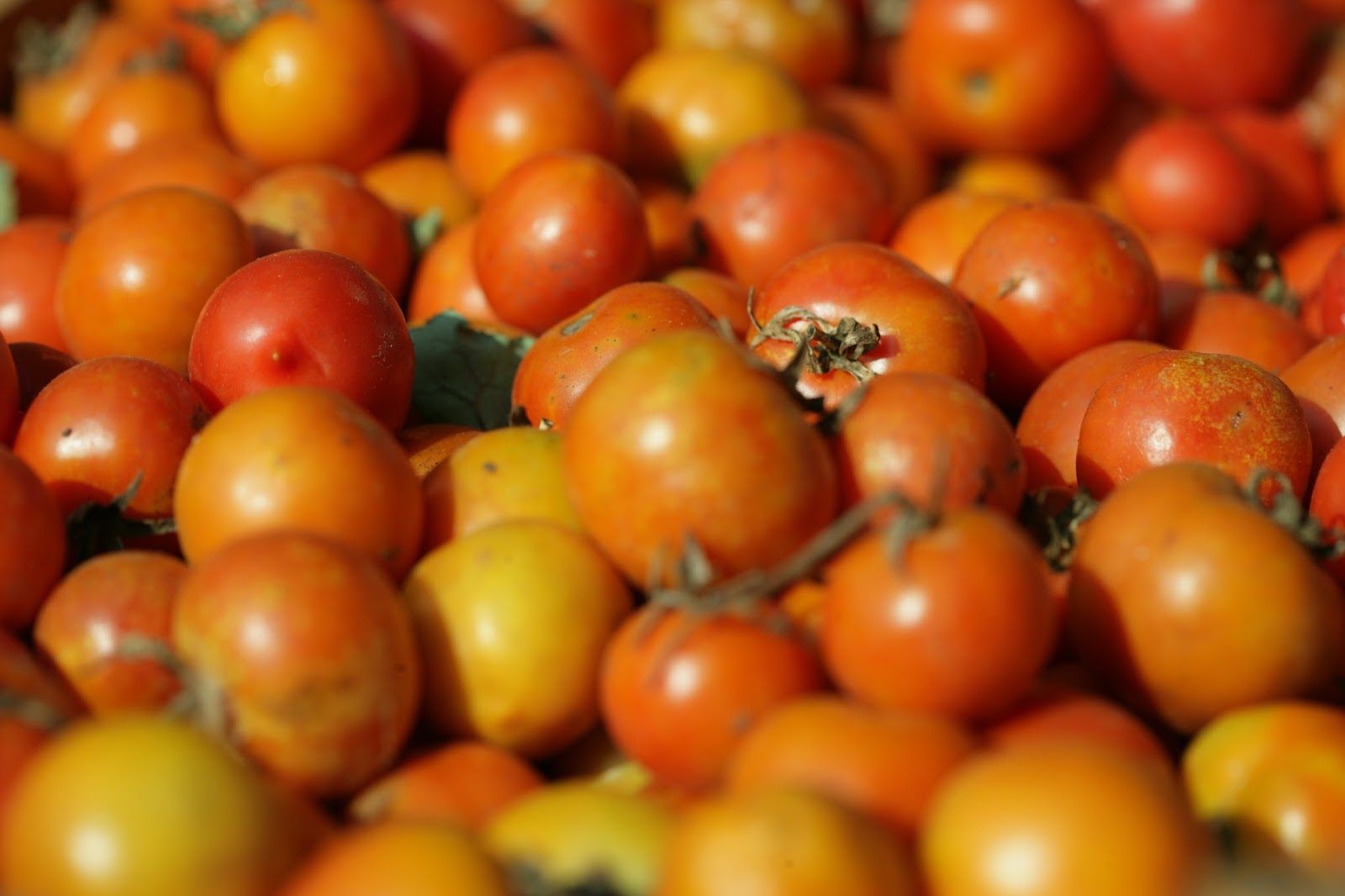
"We stayed in beautiful la frasca villa. It is the first 'all inclusive' holiday I have been on which was truly all inclusive. I was traveling alone for some weeks so wanted some company for the last week of my trip. I am so glad I chose flavours. The other guests were like family by the end, loved them all and all quite different. I learnt a lot in the cooking sessions but the best part was watching Cathy squishing up the tomatoes with her hands! Lovely relaxing exactly what I needed. Thank you Flavours."


Steven
"What I enjoyed the most was cooking Italian meals and tasting food that was authentic to the region! My best memory is the cooking lesson with Sunshine and Giulia on the Varramista Estate when we made our first Ravioli".


Mark
"I loved the cooking holiday and I now use the basic italian ingredients in my everyday cooking and have sage and rosemary growing by my kitchen door".   


Liz
"My best memories/favourite parts...I've made several friends with whom I have kept in touch and met up with, wonderful recipes that I can reproduce for friends, the opportunity to practice my Italian with Sunshine Livia and Antonio, and so much laughter" !!!


Karen

"I have so many great memories from my 3 Flavours holidays, not just of the wonderful scenery, ingredients and cooking lessons but mostly from the wonderful people I have met.  If anyone is unsure about a solo holiday I can only say go for it as it is a brilliant way to meet people from vastly different backgrounds as you already have a common interest.  There is nothing better than sitting round the dinner table, enjoying the fruits of your labour and having a good laugh with people you only met the day before"!

 
Thank you all for the wonderful times you have spent with us in Italy. We can't wait to see you again soon on another cooking holiday in 2014!

Friday, 16 August 2013

Palio di Siena ...or how can your cookery holidays in Italy end up on a magnificent race?


Minutes are just minutes, but sometimes a couple of minutes are more important than others: 19.00, Siena, 16th August. An explosive charge detonation will echo across Piazza del Campo, and the thousands of people standing by will know that what they were waiting for is about to begin.

The medieval Palio horserace.

Three laps, less than two minutes. But behind these two minutes is more than 350 years of tradition. More than a simple medieval race, it is a traditional rooted manifestation of the long standing competition and rivalry between the 17 contrade (districts in which Siena is divided) and the expression of the pride, the passion and the devotion of the fervent contradaioli (residents of the districts).


The Palio is held twice a year and lasts four days, from June 29 to July 2 and from August 13 and 16: with Flavours cooking holidays you can have the chance to visit Siena during these fervent and cheerful occasions. 

The palio event involves lots of work during the year before these two minutes, but of course the 4 days of celebrations are the fullest of formal and informal rituals, in which each contrada develops a strategy based on a mix of antagonism, horsemanship, resentment, alliances and clandestine meetings. 

In fact, in the Palio part of the game is for the contrade to prevent their historic rivals from winning and this result is celebrated as happily as an own victory. The riders are allowed to use their nerbi (whips) to distract other horses and jockeys (who ride bareback). It is not uncommon for rider-less horses to finish the race but this does not matter after all, since the winner of the palio is the horse, representing his contrada, and not the jockey. 

The winner is awarded with the palio itself, which is a hand-painted silk banner, the same prize of the tournaments during the Middle Ages. And who loses? Unlike the usual way of thinking, the loser of the race is not the contrada whose horse comes last, but the one that comes second (an interesting point of view, don’t you think?). 

In each race just 10 of the 17 contrade take part in the race, seven by right and three by draw, however all of them give their own contribution to the spirit of the palio. Above all what makes the palio so special are the manifestations that are connected to the contrade, for example the blessing of horses and jockeys the afternoon before the race.

In fact each contrada has its own government, coat of arms, emblem and colours, headquarters, patron Saint, church and festivities. In addition to historic allies and enemies, of course. The spirit of the contrade is what animates the event and gives such pathos and enthusiasm to the event. The contrade are:

AQUILA (eagle)
BRUCO (caterpillar)
CHIOCCIOLA (snail)
CIVETTA (owl)
DRAGO (dragon)
GIRAFFA (giraffe)
ISTRICE (porcupine)
LEOCORNO (unicorn)
LUPA (she-wolf)
NICCHIO (seashell)
OCA (goose)
ONDA (wave)
PANTERA (panther)
SELVA (wood)
TARTUCA (tortoise)
TORRE (tower)
VALDIMONTONE (valley of the ram)

The pageant before the race attracts visitors from all over the world and it is a marvellous historical parade of rich and bright medieval costumes dating back to 15th century. Musicians, flag-bearers and historical political figures, representatives of the contrade (the ones who run the race come first, with pages bearing festoons of laurel leaves) and at the end comes the carroccio, a chariot which carries the four public representatives of yore with the most sought after award: the palio. When the magnificent parade has slowly gone around the square, the colourful performance of the flag wavers accompanies the spectators in the final minutes before the horses appear, this increases the crowds sense of expectation and anxiety. And then, here we are, these famous two minutes arrive, the crowd shouting, the city seems to shake.

Who is going to win?Maybe it will be the successful Oca to add this years palio to the 63 it already owns?Or maybe the unlucky Lupa, the current nonna (‘granny’, the nickname given to the contrada that has not won the palio for the longest amount of time), will be the one to show the silk banner in its museum? 

At the end of the day, even when parts of Siena are competing against each other, this marvellous city will always be the winner.


Monday, 12 August 2013

Italian food ingredients


What are the essential food ingredients for Italian cuisine? Spending a week of cooking holidays in Italy was enough to get some top cooking tips from Flavours Holidays' Italian chefs! Here is what we learned:

OLIVE OIL – Essential. Olive oil is perfect for everything: extra virgin olive oil is mostly used for raw, or true to dress salads and to garnish finished dishes. Generally extra virgin olive oil is considered too good to cook with, for this purpose is better a good olive oil. Although Italians know that it is possible to cook with butter too you will hardly find one who prefers butter to olive oil: it is healthier and it tastes good without covering the original taste of the ingredients but accentuating it.


BASIL – It is the base of the pesto sauce, it is perfect in salads and in summer dishes like caprese (mozzarella, tomatoes, basil, extra virgin olive oil and a pinch of salt). Fresh and perfumed, basil can adorn the most basic tomato sauce giving it that touch of summer that makes you feel lighter even on winter. 

TOMATOES – Healthy and tasty, tomatoes are delicious raw, fundamental in sauces and dressings, fantastic when fried, stuffed, gratinéed or baked. It is one of the ingredients that matches with everything, from veggies to meat, from fish to herbs. There are lots of different types (among them pachino, sanmarzano, sardo…) and each type has a best way to be used: some are better for salads, other for rice-stuffed tomatoes, others for sauces… it a very precious ingredient for Italian cuisine. In fact the literal translation of the Italian word for tomato, “pomodoro”, is “golden apple”! 


PEPPER – Italian cuisine widely uses black, green and white pepper. Black pepper is usually ground last minute. It is possible to buy ground pepper but Italians prefer to grind it just before eating because the flavour is more intense. Black pepper is used on cured meats but overall for seasoning and dressing veggies and meats. Green pepper is used in corns, overall for some meat recipes like filetto al pepe verde (fillet with green pepper). White pepper is less spicy, it is used mainly for meats but also with light sauces.


CHILLI – In the south of Italy chillies grow happily in the sun: there chillies are the most popular spice in the local cuisines, but they are very common in the whole country too. To prepare many famous pasta sauces, like aglio olio e pepperoncino or the spicy arrabbiata sauce, chillies are essentials.


PARSLEY –Widely used to garnish warm and cold dishes alike and to season sauces and fillings, parsley really matches with everything in the Italian cuisine. An example? In Italian if you say that somebody/something “é come il prezzemolo” ( is like parsley) it means that a person/an object is basically everywhere!
 

VINEGAR – Vinegars are generally used to pickle veggies, in marinades and vinaigrettes. Some also use it to brush the food that is going to be grilled. Balsamic vinegar is delicious overall to drizzle on top of meats and cheese, while wine vinegar is often used to cook, accompanied by herbs.


OREGANO – Oregano is used to season warm and cold dishes alike, for example salads, tomatoes, veggies, meats, fish and sauces. It is a fundamental ingredient of the pizza napoletana marinara. Overall in the Naples area and in Sicily oregano has a big role in the local cuisine. Among the most famous dishes with oregano are carne alla pizzaiola and penne with gorgonzola and courgettes.


CAPERS – Capers are the flower buds of the caper bush. Their vinegary taste, due to the fact that the buds are cured in vinegar, and their delicate aroma give a special touch to every dish there are in. Cappers are mostly used for antipasti, for tomato sauces, for various types of fish and for the tartar sauce.

So if you want to find out more about Italian cuisine and learn to cook local Italian dishes, why not consider a cooking holiday in Italy? 

Thursday, 8 August 2013

Culinary travel: the how and why from an Australian food writer and chef


As a chef, cooking teacher and food and travel writer, I believe one of the most important things in life is to get out and experience different cuisines, ingredients and cultures. Travel, to quote the old adage, broadens your horizons – but not only in the traditional sense. Culinary travel lets you become a cultural anthropologist of sorts. People you meet along the way share ingredients, food, meals, and the community or family history tied to those things. Trying sheep pancreas in Argentina, liver soup in China or Umbrian wild boar sausages in Italy changes you more than you would think.
 

As a home cook and a professional chef, one of the most exciting things to do when first landing in a foreign country is to get to a local farmers market. I’ve just returned from New Zealand, and as soon as stepping off the plane I was in a fruit and vegetable store. I loaded my basket with bright purple and yellow kumara (a type of sweet potato), pale yellow local limes and small and gnarly orange ‘yams’, known as oca in the Andes where they were originally cultivated. In Italy, it is so easy to find fresh produce or homemade goods, sold by vendors in open-air markets or in little corner stores (alimentari). 

Don’t just eat out at restaurants, cook for yourself or with locals, try all the fresh produce you can and make hearty, homecooked meals. Italy is so conducive to an immersive culinary holiday – try a freshly made warm zeppola (filled donut); mozzarella made seconds before right in front of your eyes; or make a panino with handmade ciabatta, fill with freshly sliced prosciutto.

From a foodie and journalistic point of view, deciding to travel to a place is easy. Does it have a rich culinary heritage? Are there dishes and ingredients to try that are rare or not found elsewhere? Are there restaurants, chefs or experiences that I am keen to try? There aren’t many places in the world that don’t fit into these criteria. So from a culinary viewpoint, the world is our literal oyster.  Speaking of oysters, have you been to Wineglass Bay in Australia? You can wade out to a table in the water, drink wine, and pick your meal from the estuary below your feet.


Working this past year as head pastry chef at a restaurant run and staffed by a large group of Italians has instilled within me a passion to travel to Italy. Every night was a celebration of food and wine. We were fed from pots of ragu, bubbling on the stove for days, handed forkfuls of freshly made tagliatelle with just a drizzle of fine olive oil as we passed by the kitchen, and could be found ripping soft chunks of slow roasted pork off the bone after service at midnight, fat dripping down to our elbows onto the kitchen bench below. 
 
The Italian passion for food, fine produce, and quality was invigorating. There seems to be so much to discover – I couldn’t help myself - it is now booked in as my next travel destination. I can’t wait to learn new dishes, try new ingredients, and eat meals made with the actual produce they were invented to highlight. 


Lani is a pastry chef and media professional based in Melbourne, Australia. She is the creator of food and travel blog Fig & Walnut (hyperlink:www.figandwalnut.com), a published food journalist, and was a production coordinator and writer on culture and culinary history documentaries for Australian television station SBS.

Thursday, 1 August 2013

Pasticciotto


Today we have something extra special for all Italian food lovers! One of the most delicious Italian dessert recipes we teach in our cooking holidays in Italy.
 
Pasticciotto is a typical dessert from the Salento area in Puglia. It is a type of custard pie: a short crust pastry filled with pastry cream. Genuine local ingredients and a recipe passed down from one generation to another are among the reasons why pasticciotto plays a big role in the habits of people in Salento:  they eat pasticciotto for breakfast when it is fresh out of the oven to appreciate the smell of the pastry cream and of the baked short crust pastry.


The traditional recipe is of an oval pastry but you can also make a bigger round pasticciotto cake. The filling can also have some variations: with pastry cream and black cherry marmalade, with chocolate pastry cream or you could also use cocoa short crust pastry.


Some say that pasticciotto was born in the 18th century in a village near Lecce during the festival of San Paolo. During the festival in a small pastry shop, a man wanted to prepare another cake but did not have enough pastry cream or dough, so he used what he had left and put it in a small copper container. Then he created this very little cake and he thought it was a real “pasticcio” (an Italian word that means both “a mess” and “pie”). He baked it and then, fresh out of the oven, he gave it to a pedestrian walking by. But the pasticcio was not a mess at all, the man really liked it and asked for more to take back to his family. The pasticciotto news spread rapidly and now it is a very typical sweet of Salento.

Here is the recipe to make about 20 pasticciotti!

For the pasta frolla (short crust pastry dough):

500 g all-purpose flour
250 g shortening (if you want it softer as it is should be) or butter (it will be slightly crisper)
200 g sugar
4 egg yolks
1 teaspoon of baking powder

For the pastry cream:

500ml milk
50g all-purpose flour
6 egg yolks
150 g sugar
1 vanilla bean stick or 1 lemon zest

For the final egg wash:
1 egg, beaten.

Pasta frolla: Sift the flour and make it into a well on a pastry board. Add baking powder, sugar and put the butter (it has to be room temperature)/shortening in the centre of the well and stir a little with you fingertips. Then add the yolks and mix everything together. Your aim is to create a ball by kneading quite quickly, otherwise it will warm up and the dough will melt (because of the butter). Divide the dough in half and create two round disks of pasta frolla: then wrap each one with plastic wrap. Put them in the fridge and let them chill for at least 1 hour before rolling out.
Pastry cream: Place the milk in a heavy-bottom pot and warm it over low heat. Add the lemon zest/vanilla stick and let it steep for 10 minutes. Turn it off before it boils. In the meantime mix the flour and sugar. Then put the egg yolks in a bowl, whisk them vigorously with some warm milk and little by little add the mixture of sugar and flour. When you have a consistent mixture, add the rest of the milk.

Pour everything back in the heavy-bottom pot over medium heat until it boils. Remember to keep on whisking quickly the entire time, otherwise it will stick to the bottom of the pot. Let it boil until it is creamy and solid enough.

Put a little bit of flour on the pastry board and roll one of the pasta frolla disks until it is 3-4 cm thick. Then drape it over the moulds pushing it in gently and then roll the rolling pin over the top to remove the excess. Fill them with the pastry cream until it is just below the edge of the pastry.

Roll out the other disk of pasta frolla for the tops, and then brush the tops with egg wash. Bake the pasticciotti at 200 C for 15 minutes, and when the tops are golden brown you can take them out and serve them…Enjoy!!

So, if you like to learn more traditional Italian dessert recipes why not check our cookery holidays in Puglia?

Friday, 26 July 2013

FICHI D’INDIA, SICILIAN PRICKLY PEARS


Sicily is one of the most popular destinations for cooking holidays in Italy. Food is a very important aspect of Sicilian life as there is a incredibly large variety of locally produced fruits with some not being very common in other regions.

Prickly pears are a typical Sicilian product. The plant was first introduced in the region after the discovery of America and it was named “fico d’India” (Indian fig) because when Christopher Columbus arrived in the new continent and saw prickly pears he thought he was in India.
In Sicily prickly pears have the best climate conditions to grow (the plant is very resistant and adapts perfectly to hot and dry environments). They grow both on cultivations and on their own, in fact Sicily is the world’s second largest producer of fichi d’India after Mexico.

Prickly pears are very healthy and eating them is a natural cure for the human body: amongst all, their depurative features help the expulsion of kidney stones and the adjuvant features are helpful for osteoporosis thanks to the high iron, phosphor and calcium content of the fruit. Prickly pear is often included in slimming diets as a nutritional supplement since it makes you feel full quickly. It is also in diets for very dynamic, busy and sporty people thanks to its rehydrating and revitalizing features.

The fruit can be yellow, red, white or orange and it is in season from August until Christmas.
Even now the tradition in Sicily during the grape harvest period is to eat prickly pears for breakfast. This tradition comes from old winery owners in the past who used to give prickly pears to their grape-pickers because they wanted to prevent them from eating grapes during the harvesting. 

During the summer, if you find yourself at a cooking holiday in Sicily, you will find fruit stands everywhere that sell fresh and peeled prickly pears, useful to fight hot temperatures and burning thirst. In Sicilian cookery prickly pears are also used to make liquors and typical Sicilian cakes, such as Buccellato, which is very common at Christmas time.

If are interested to find out more about local Sicilian cuisine and want to learn creating recipes why not consider a cooking holiday in Italy? 


Monday, 22 October 2012

Flavours Holiday Magic Happens In Winter Too


Experience An Actual Olive Harvest In Italy 

We think of olive trees as survivors and marvel at their gnarled and contorted forms. Olea europaea is this majestic tree’s botanical name and the Romans did much to popularise this genus. Right across the Mediterranean and as far as the Portuguese Atlantic coast you will find silvery, grey sentinels. They tolerate intense heat and long spells of drought with fortitude, decade upon decade and in some cases even, century upon century.

 In any olive growing region, and in fact, in any traditionally agricultural community, there are certain times of the year when you can predict what people will be doing. The year is punctuated by sowing and harvesting following historical cycles. The final harvest of the horticultural year is usually the olive and as you drive through the landscape it is dotted with figures armed with nets, baskets, rakes and assorted picnics, attempting to strip every tree of its valuable fruit.

The smell of diesel from the agricultural machinery used to transport both crop and workers fills the air and the sound of voices permeates the plains; and ‘twas ever thus it seems. I am so glad this tradition continues because freshly pressed virgin olive oil is really one of my favourite perfumes and there is nothing better than drizzling this vibrantly lime green liquid (or yellowy gold colour) over fresh bread or crunchy Bruschetta. Homer, after all, waxed lyrical about olive oil and called it ‘liquid gold’ and top quality oil really is ‘liquid engineering’ for both the body and the soul.

The picking is a ritual, (completed by hand to avoid bruising the precious olive) and so is the pressing which is an opportunity to gossip, bemoan this year’s growing conditions, whether the crop was infested or managed to escape, and of course, price. Depending what region you might be in, this will probably all happen around November to January time but Tuscany is an exception. Their harvest happens in September to beat the frost and as a result the olives are harder and yield less oil. This probably contributes to the slightly peppered qualities so characteristic of this region. It also means Tuscan olive oil is less commercially available as there just aren’t sufficient bottles to swamp the market, so why not pay a visit at olive harvest and source your own?

Yes, supermarket olive oil can be bought fairly cheaply and you can splash out and treat yourself to a reserve bottle but take my word for it, there is nothing like smelling and tasting freshly pressed olive oil; I was shocked at the difference when I first experienced this phenomenon and I love how they all taste slightly different.

There are pristine warehouse-style mills peppered across the regions but usually local mills most people favour, make use of pretty traditional methods. First the olives are ground between massive stones and then the resultant paste is squeezed onto massive fibre mats and the oil itself gloops satisfyingly down the centrifuge. It reminds me of Keats’ Ode to Autumn where autumn tarries:

‘…..by a cyder-press, with patient look, 
Thou watches the last oozings hours by hours.’ 

Not apples, true, but olives, yet the feeling is the same. Although in Italy whole families picnic in the patchwork fields as their forefathers have always done, maintaining this tradition for another year as if it’s a celebration of survival; ‘I made it here for another harvest and will see you again next year.’ That’s another good reason to throw a party and the Italians often do to celebrate the harvest.

Nicky Chapman joined us for the olive harvest
on the BBC Holiday Programme - watch it now!
It’s something many tourists never get to see and those who experienced a Flavours holiday in the baking heat of the summer will see Tuscany, Puglia and Umbria take on a different atmosphere and hue which is well worth experiencing. Yes, the evenings may be decidedly cool but the days are often bright with high blue skies and winter sunshine. You may well enjoy watching the rituals and doing your very own olive oil tastings all over the region. You will learn about the different types grown for sweetness, quantity and intensity too. Names to look out for are: frantoio, leccino and maraiolo.

Yes, it is an age old tradition but it is frenetic work. Once the olives are picked, the race is on to get them pressed, as fermentation begins almost immediately. This is a disaster in the making, unless the fruit is pressed as a matter of urgency, for its 20% oil content -not much really - so, you can begin to imagine just how many it takes to make a litre of oil (around 200 if you are working it out).

Tempted? Then why not leave dull days behind and celebrate the olive harvest in Italy or maybe think about how you might put top quality olive oil to use in the flavours’ kitchen next season?

Flavours offer Italian cooking holidays, Pilates, and painting holidays in Tuscany, where you can experience the olive harvest at the right times of year - contact us to learn more! Flavours also offer holidays in Sicily, Umbria, and Puglia.

Friday, 20 July 2012

Cooking Holidays in Italy- What to Pack

What should you pack in your suitcase for a cooking holiday in Italy? Will you need your own set of knives, a tall white hat and checked chef’s trousers?

The good news is ‘no, you won’t’. All cooking equipment, from pasta cutters to aprons, will be provided. There’s no need to worry about any of the fancy stuff, as Flavours Holidays will make sure you have everything you need.

And whereas a few sets of shorts, t-shirts and trousers will suffice, thinking a bit more carefully about what goes in your bag will help you to really make the most of your experience. Here’s a few tips on what to bring:

Comfortable shoes – You’ll be standing on your feet for hours at a time on a cooking holiday, so comfortable shoes are a must. For many, this may mean a pair of trainers, but any sensible, closed-toe shoe is fine. Try to choose something breathable that will still protect your toes from splashes – tripping around the kitchen in a pair of flip-flops, with your toes at the mercy of boiling water and hot sauces is a recipe for disaster.

Old T-shirts – Bring a range of breathable tops that will allow you to enjoy your time in the kitchen without overheating. Avoid long sleeves that might dangle in sauces and save your favourite tops for the evening, when you won’t have to worry about grease stains seeping through your pinny.

Loose trousers or long shorts – Your legs will be protected by your pinafore, but it’s often more comfortable to wear loose trousers than tight shorts. The choice, however, is up to you, but we recommend prioritising comfort and breathability for kitchen wear.

Plenty of hairbands – Avoid getting hairs in your bolognaise sauce and keep yourself cooler by tying or clipping long hair back. This will also stop you from getting pasta flour is your ‘do’.

Something for the evening – Evenings tend be casual and congenial affairs on Flavours holidays, enjoying long meals and drinking wine around the table as a group. There’s no need to bring formal eveningwear, but you’ll no doubt want to change out of your kitchen clothes and into something fresh. Bring whatever you feel happy with.

Another thing to consider, is whereabouts in Italy you’ll be based. Northern regions tend to be cooler than the south, where winters can be mild and summers scorching.

For a cooking holiday in the northern and central areas of Tuscany or Umbria, expect hot, dry summers, with temperatures peaking around 28°C in July and August, and winter temperatures below 7°C in January. Most of our cooking holidays take place in the warmer months, so lightweight summer clothes, wide brimmed hats, sun cream and sandals will be top of your list for spring and summer trips to the north but, if joining one of our autumn breaks, bring a few warm tops and a lightweight rain-proof, in case of showers.

Further south, in Sicily and Puglia, the weather is notably warmer - even January can be mild (around 13°C). Temperatures rise steadily from February onwards, with July and August seeing peak temperatures in the mid-30s. The long southern summer can last until October, when temperatures still hover around 20°C. Protection from the sun will be essential if you book a summer cooking holiday in the south and, if you suffer in the heat, come prepared with a higher than normal factor sun-cream and hand-held fan. For autumn breaks, bring a warm jumper for the evening and a pac-a-mac – just in case!


Wednesday, 9 May 2012

Cooking holidays in Italy: Umbria's spirit of food

Umbria, the landlocked green heart of Italy, has many of the attractions of Tuscany – beautiful undulating landscapes, hilltop towns and villages, frescoes and churches, and fantastic local food – but with a more mystical feel. Cooking holidays here involve more than just inspired cuisine.

Despite being the region’s busy capital, even Perugia manages to have an air of the spiritual, for example – one of the central enigmas being its one-way system – but while there’s plenty to see in it, the curious will want to explore the region’s more rewarding towns and villages. Assisi, for example. From Roman to Renaissance, ancient buildings abound in the birthplace of pious, animal-loving St Francis. The lofty arches of the Basilica di San Francesco seem to rise above the everyday world, surrounded by the filmset-pretty streets and flower-bedecked balconies of the historic centre. A follower of Francis, St Clare, experienced a vision in her room of a Mass being conducted elsewhere, and so she later was selected as the Catholic Church’s patron saint of television!

The hilltop town of Todi, west of Spoleto, is a showcase medieval city of Roman and Etruscan origins. Its main square is regarded as one of Italy’s most magical, there are superb views from the Piazza Garibaldi and the bell tower of San Fortunato church – as well as labyrinthine alleyways and narrow back streets probably blocked by art scholars admiring the place.Spoleto itself is known for a fabulous Duomo, and a remarkable 13th-century aqueduct over a yawning gorge that’s now a pedestrian bridge.

Orvieto, down in the south-west of Umbria, stands broodingly on volcanic rock, but dominating its expansive Piazza del Duomo is the cathedral’s astonishingly colourful, decorated facade. Elegant restaurants line the streets nearby for those studying cuisine from the diner’s side. When you’ve recovered from the overground excitement, take an underground tour of the tunnels that extend underneath the main monuments, many of them secret old Etruscan passages. You can get married down here; if so you may want to toast the occasion with one of Orvieto’s renowned crisp white wines, thanks to the vineyards on the fertile volcanic slopes. Gubbio, north-east of the summer playground of Lake Trasimeno, is one of the most intact medieval towns in Italy. If you want something wilder, the border country out east by Le Marche is pretty wild stuff, while the Nera valley down at the southern end of Umbria offers stunning wooded gorges and food trails: the town of Norcia specialises in truffles and salami.

St Clare would be first to agree that TV or video doesn’t do Umbria justice. It’s a spirited place, that has to be experienced – and tasted – first hand.

Monday, 7 May 2012

Cooking courses in Sicily: On the trail of Montalbano, the Sicilian Detective

A cappuccino followed by morning dip in the sea outside his villa; duskily beautiful women, handsome young men, stunning scenery, and a crime of passion solved; some fabulous Italian cuisine and glass of wine to finish...

It’s just another day at the office for dashing detective Salvo Montalbano. To many a cooking course student in Sicily, not to mention hard-pressed police officers in Britain filling out morepaperwork in a drab station over a sandwich, Montalbano’s life must seem a fantasy.

Which of course it is: the creation of Sicilian writer Andrea Camilleri. But – with nearly twenty best-selling novels to date and an international hit TV series ongoing, now familiar to BBC4 viewers – the fractious but brilliant and uncorruptible food-lover Commissario Montalbano has become one of the world’s most popular sleuths.

Sicily has been quick to celebrate Montalbano. Those wanting to follow in his footsteps – and meals – will find a warm welcome. ‘Vigàta’, his fictional home town, is based on Camilleri’s birthplace of Porto Empedocle – abandoned factories, chic cafes, lighthouse and all. With an eye for TV-tourism, the town has now officially renamed itself ‘Porto Empedocle Vigàta’!

‘Montelusa’, the location of his office, was based on real-life Agrigento (the Questura and Piazza San Francesco) – though the TV filming is done in Ragusa, which will look very familiar to viewers. Ragusa is a Sicilian gem,a Word Heritage Site in two parts: the stunning new baroque town, rebuilt after the 1693 earthquake; and, over a ridge, quieter, atmospheric Ibla. The town of Modica, another Montalbano haunt nearby, is another World Heritage Site, and another two-part town, with a historic centre connected to the lower town by a flight of steps.

Montalbano’s idyllic seaside house, verandah and all, is in Porto Secca, a fishing village just southeast of Ragusa. When they’re not filming another dining scene here, or the Commissario answering the phone with stubbly impatience, you can stay here for bed and breakfast.

Following trails is, of course, hungry work. Foodies have compiled whole recipe books based on Montalbano books and films (I segreti della tavola di Montalbano – ‘Secrets of Montalbano’s Table’, for instance) and bloggers describe dinner parties that recreate some of the detective’s favourite dishes. Here’s a sample menu:
Caponata di melanzane 
Pasta col ragù alla siciliana 
‘mpanata di maiali 
Peperoni arrosto 
Sformatino di cioccolato amaro con salsa all’arancia 

Tracking down the killer isn’t always easy. Fortunately for fans of Montalbano – or simply fans of good Italian food – tracking down his favourite places, and recipes, is rather easier.

Friday, 4 May 2012

Cookery courses in Puglia: Lecce, Florence of the South

Way down south, in Puglia at the heel of Italy, is one of Italy’s hidden gems. The sunnily ornate baroque buildings of Lecce have earned it the tag ‘Florence of the South’. Its northern counterpart might boast a more impressive list of native artists and sculptors – but Lecce scores on food. With its glorious Mediterranean climate, the Puglia region enjoys intensely flavoured fruit and veg, rich meats, and – with the dramatic Adriatic and Ionian coastlines never far away – fresh seafood. A visit to Lecce is a cookery course by itself.

The architecture itself is enough to get your mouth watering, even before you’ve visited the markets. The local limestone, formed from the remnants of unimaginable numbers of ancient seashells, comes out the quarries soft as clay – but gradually hardens in the air, making it easy to work but durable. Hence the city’s lovely architecture: exuberant, rich but never flashy — like the cuisine. The heart of Lecce is the Piazza Sant’Orono. This is the place to socialise and relax in the warm evenings, while deciding which of the city’s burgeoning new cafes or restaurants to visit. A Roman amphitheatre stands at the southern end, while in the centre is a Roman column that marked the end of the ancient Appian Way, the main road north. The Rome-bound traveller of two thousand years ago asking for directions would no doubt be told, in that smiling and laid-back southern Italian way, to just follow the road, you can’t miss it.

Consistency of style – mostly 17th and 18th century – is what makes Lecce so easy on the eye. The Cathedral is one of Italy’s most impressive, and the facades in the Piazza del Duomo were all built or reworked in that period.

Probably the best example of the Lecce Baroque style is the Basilica de Santa Croce, near the Piazza Sant’Orono. Food is never far away from the Pugliese mind: the Basilica’s facade has an array of intricately carved animals, vegetables and fruit, while the overall impression it gives to many is that of a giant wedding cake, complete with meringue and cream!

If you’re on the hunt for local Salento produce in the markets or restaurants, you’re spoilt for choice. As for snacks, the local bakery speciality is puccia, a mixture of bread dough with olive and onion, delicious by itself or filled with slices of meat. Rustici leccesi are pastries stuffed with meat or cheese. Pasticciotto is a sweet shortcrust pastry filled with cream and a drop of black cherry. And if you need a recommendation – for a cafe or restaurant, market stall or snack – simply stop and ask a local. They take eating seriously here and you’ll get instant advice on where to go for the tastiest food at the best price. But this is Italy – ask three people and you’ll get at least three different opinions!

Monday, 30 April 2012

An Interview with Flavours host: Livia

Hi Livia,
Many thanks for taking the time to chat with us. Could you start by telling us a little bit about yourself?

I’m 36, Italian and live in the city of Faenza, quite close to Bologna.I’ve been a host with Flavours Holidays for six years. I still live with my parents (like a lot of Italians at my age!) and have lunch and dinner with my parents every day - my father loves to cook!

What attracted you to hosting groups on cooking holidays?

My love of Italy, people and cooking. I’m a cook – an interest I’ve had since I was very young. Cooking is part of a lot of Italians life; we grow up watching our grandmothers in the kitchen, smelling all the great perfumes…. like “brodo” - broth with Tortellini floating in it. Like every Italian, I simply love cooking the traditional dishes of our different regions.

So, you’ve been with Flavours Holidays for 6 years now. Have you seen the company change much in this time?

Flavours has always been a very familiar and friendly company; in this sense, it’s never changed! It is like being part of a family. I love to see the same guests coming back every year, trusting us and following our suggestions. In 6 years I’ve seen Flavours growing a lot, doubling the number of guests every year but still being a very “personal” little company!

What do you enjoy most about your job as a host?

I enjoy being able to share the love and the passion that Italians have for food, seeing guests appreciate Italian food and getting to know them as people. I enjoy eating and socialising with guests: we eat, we drink, we talk and share time together. I enjoy the people I meet and, even in a short time, we become friends. I love being a host and making sure that my guests are relaxed and enjoying their holiday.

And what do you like best about living in Italy?
I like to take time to do things slowly: I like to enjoy my lunch sitting at the table - and not a sandwich in front of a computer - or to cook for friends at my house. Here, we love long dinners with a lot of wine and conversation. In Italy everyone is very attached to their traditions and we could fight for them – we’re very proud of our roots!

Do you have any favourite Italian regions? 

I love my region - Emilia Romagna - and all its traditions. We have everything; culture, history, great landscapes and great food: Tortellini, Parmigiano, Parma ham , Ragu, Lasagne al forno, Aceto balsamico, great peaches in summer and buonissimi radicchio di campo in winter.
But I also love to travel to other regions: if people could not travel we would all be very poor inside…
Tuscany is beautiful and Florence food market is very rich and full of fantastic ingredients: olio d’ oliva, cantucci, vin santo, prosciutto toscano,la finocchiona! But the real markets are in the South where they have great weather and the nature is so wild and real - there is no season there were you don’t find nature in bloom. I love their humble traditions: they make great dishes with just a few fresh ingredients. Umbria is a great region and is where the South really starts: they have good weather, good olive oil, lovely green landscapes, black truffles, lentils, carpets of wild flowers…

What types of people tend to come to Italy for painting and cooking holidays? 

The most common age range on our cooking holidays is between 37 -58, I would say, but there is no particular age range really: we have had very young girls (23) that are quite mature and older ladies (82) that seemed 40!
On some painting and cooking holidays, our guests have no skills, but by the time they leave, they’ve had a great experience, having learnt how to make tortellini, or to paint a sunset that shows their feelings. Sometimes we also combine painting and cooking holidays, which makes for a really interesting week, with everyone learning something from each-other.

Do most people come on cooking holidays with partners? 

Most of our guests come as singles. On the first night, after a few glasses of wine they soon start to get to know each other, whilst enjoying their first dinner together. And after a week of meals together, most have become great friends. There are a lot of guests that come back the next year friends they met on the holiday before!
Couples that come on our cooking holidays are always very open and friendly. And sometimes there are mothers and daughters too!
Ah…and I’m very proud to say that since I started with flavours six years ago I’ve seen love blossom three times – relationships that later turned into marriages!

And finally, what advice would you give someone who’s considering coming on a Flavours Holiday this year? 

Come ready to spend a very different week, with a lot of new experiences; Italian experiences. Just relax and look forward to enjoying good food and good wine – your guide to the Italian life! Be prepared to flow with the Italian pace of life and be open to new cultures, landscapes and history. And be ready to meet the new people that will become your family for the week!

Friday, 27 April 2012

A Round-up of the great Italian detectives writers

Far more than simple ‘who-done-its’, Italy’s greatest detective novels are intricately woven narratives of deception and delinquency, interlaced with a shrewd understanding of Italian society, and lead by characters that are so enthralling that their authors feel compelled to keep them alive.

But above all, these books are about place; the place being Italy: Each writer, whether hailing from the UK, US or Italy itself, confesses to an undying love for the people, places and culinary culture of Italy - a consensus that lives and breathes throughout their writing.

Andreas Camilleri, author of the famous
Inspector Montalbano series
Andreas Camilleri is nothing short of a phenomenon. Following a lengthy career as a film director, this gravel-voiced Sicilian found his niche in crime-writing, at the age of 67. Two years after The Hunting Season (1992) became a best-seller, Camilleri released the first in a long series of novels, based in Italy, around the fractious Sicilian detective, Inspector Montalbano.

His debut Montalbano novel, The Shape of Water (2002), was an immediate hit in Italy, spurring Camilleri to write a further 15 Montalbano mysteries. A master of description and suspense, Camilleri switches between comical and incongruous events, covering topical storylines, such as illegal immigration and money laundering.

Peppered with colloquial Sicilian phrases and enriched by Montalbano’s passion for food, Sicily lives through the pages in the smells and tastes of the region; fans are renowned for cooking classic Montalbano recipes, such as sardines rolled in pine-nuts and Sicilian Arancini – favourite dishes in Italy.

A predecessor to Camilleri, the late Michael Dibdin is best-known for his Aurelio Zen series. Born in Wolverhampton, Dibdin developed his love for Italy and the inspiration for his thrillers during his career as an English teacher at the University of Perugia, Italy.

Lead by his central character - the Venetian detective, Aurelio Zen -– Dibdin guides us through an exposé of organised crime and corrupt bureaucracy in Italy. Dibdin’s intricate plots are laced with tangled emotional encounters and loaded with sex and violence, giving a disturbing insight to Italy’s vivid underworld. Each of the 11 books in the Aurelio Zen series is set in a different part of Italy, expertly conveyed by Dibdin’s detailed observations of people and place.

In January 2011, three of the Dibdin’s Zen novels – Vendetta (1990), Cabal (1992) and Ratking (1988) - were broadcast as 90-minute films in a BBC TV series, all filmed on location in Italy. End Games (2007) was Dibdin’s final novel in the series, published in the year he passed away.

Donna Leon a
Venice enthusiast
Donna Leon’s protagonist, Guido Brunetti, is as equally compelling as Camilleri’s and Dibdin’s. An American expat, residing in Italy, Leon is addicted to Venice – the city she has called home for more than 30 years - and her crime-novels double as Venician travelogues; Leon empowers her readers with local-knowledge and insight.

Leon’s commissario, Brunetti, is a middle-class family-man, who investigates the high crime that lurks within Italy’s aristocratic society. He works alongside his partner - Vianello; secretary - Elettra; and boss - Giuseppe Patta. Dissecting almost every aspect of modern Italian society, from food and families, to politics and prostitution in Italy, Leon’s novels explore social injustice, hidden evils and human failings, set within one of Italy’s most beautiful cities. Leon completes a new Brunetti each year but refuses to be published in Italian. The latest in the series, Beastly Things, is due out in April 2012.

From the waterways of Venice to the monuments of Rome, Yorkshire-born novelist, David Hewson, chooses the capital of Italy at his central city. Hewson’s ‘Costa collection’ catapulted him to fame when he began writing about Italy in 2003. Lead by a young and enthusiastic detective, Nic Costa, the series began with A Season for the Dead (2003) and was followed by The Villa of Mysteries (2004) and The Sacred Cut (2005). Hewson’s Costa series has since grown by a book a year and has been published in 20 different languages. His latest novel, Carnival for the Dead (2012), is set in Venice and the Costa crime series in currently being adapted for a series of TV films.